Iran's 'Acid Rain' Crisis: Toxic Fallout from Airstrikes Explained
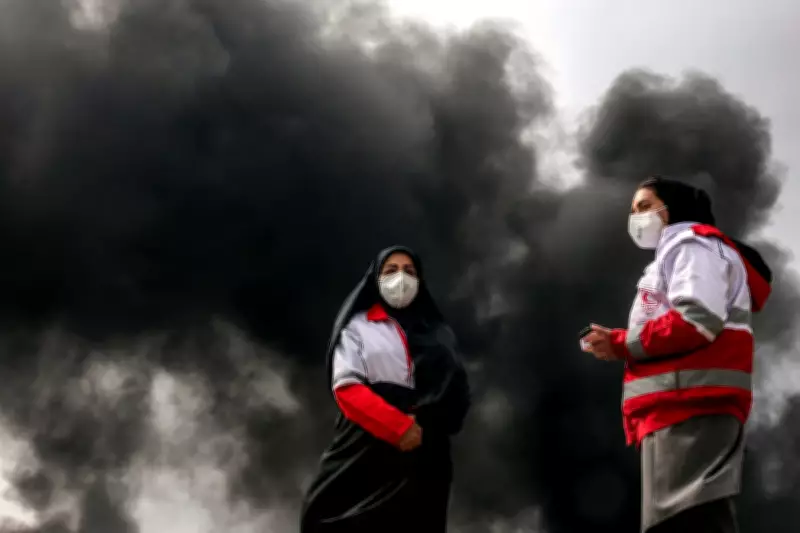
Residents across parts of Iran have reported alarming phenomena in the aftermath of recent US-Israeli airstrikes on oil depots: black, oil-contaminated rain settling on buildings and vehicles, accompanied by widespread complaints of headaches and breathing difficulties. The Iranian Red Crescent Society has issued stark warnings, stating that post-strike rainfall could be "highly dangerous and acidic." Atmospheric scientists are now sounding the alarm, explaining that this represents a far graver threat than conventional acid rain.
What Is This 'Black Rain'?
As an atmospheric chemist and chemical engineer, I find these reports deeply concerning. Rain naturally cleanses the atmosphere by collecting pollutants, but the black coloration indicates an extreme level of contamination. This isn't just acid rain; it's a toxic cocktail likely containing hydrocarbons, ultrafine PM2.5 particles, carcinogenic polycyclic aromatic hydrocarbons (PAHs), heavy metals, and inorganic compounds from destroyed infrastructure.
The smoke plumes from bombed oil depots release sulfur dioxide and nitrogen dioxide, which form sulfuric and nitric acids in the atmosphere—the classic components of acid rain. However, the scale and composition here suggest a more complex and hazardous mixture. The thick, toxic smoke blanketing densely populated areas poses an immediate respiratory hazard, with all smoke being inherently harmful at detectable levels.

Immediate and Long-Term Health Risks
In the short term, exposure can cause:
- Headaches and breathing difficulties
- Exacerbated asthma and lung conditions
- Heightened risks for vulnerable groups: elderly, children, pregnant women, and people with disabilities
Long-term consequences are even more alarming:
- Increased cancer risk from carcinogenic compounds
- Neurological impacts like cognitive impairment from PM2.5 entering the bloodstream
- Cardiovascular diseases linked to sustained pollution exposure
- Contamination of waterways affecting aquatic life and drinking water sources
Furthermore, pollutants deposited on surfaces can be re-suspended by wind, creating ongoing exposure cycles.
A Legacy of Environmental Warfare
This incident highlights the growing recognition of conflict's environmental toll. Historical precedents in Iraq and Kuwait, where oil well destruction and burn pits caused lasting health issues for military personnel and local populations, underscore the profound, enduring impacts. The current situation in Iran may leave similar scars, affecting generations through contaminated ecosystems and public health crises.
On-the-ground recommendations include wearing masks, staying indoors with sealed windows, and cleaning hard surfaces to reduce exposure. However, in war's chaos, such measures are often impractical or impossible, leaving populations dangerously exposed.
This "acid rain" event serves as a grim reminder of how modern warfare extends beyond immediate destruction, poisoning environments and jeopardizing health long after hostilities cease. The scientific community urges immediate attention to mitigate these cascading effects, but the path forward remains fraught with challenges in an active conflict zone.