Lake Superior Erosion Exposes Human Remains at Historic Minnesota Cemetery
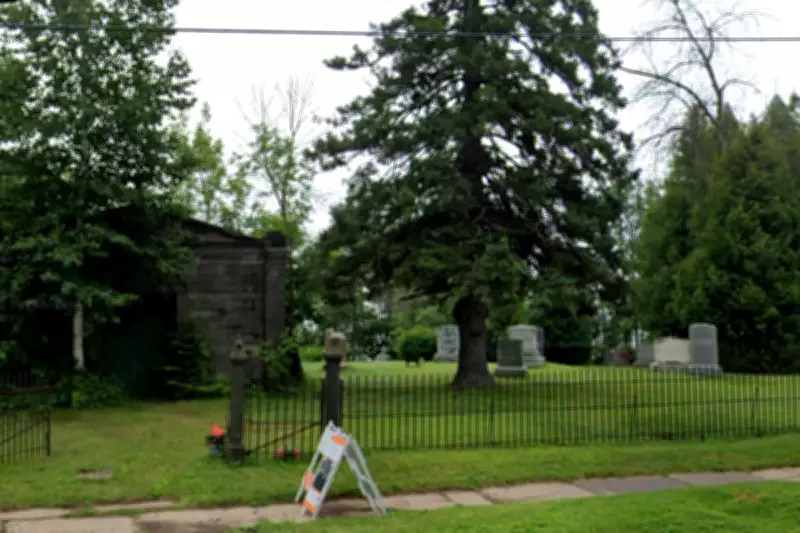
Human remains have been exposed at Scandia Cemetery in Northern Minnesota due to ongoing shoreline erosion along Lake Superior, raising urgent concerns about preservation and climate impacts. St. Louis County officials are requesting approximately $2.5 million to fund a critical project that includes building a concrete retaining wall and implementing nature-based stabilization methods to protect the historic site.
Official Support and Climate Change Attribution
State Senator Jen McEwen strongly supports the proposal, attributing the damage directly to climate change, which has intensified erosion patterns in the region. County Commissioner Patrick Boyle emphasizes the urgency of the project, highlighting the need for immediate action to prevent further exposure of remains and degradation of the cemetery grounds.
Historical Significance and Caretaker Challenges
The cemetery, established in 1881, primarily contains victims of early 20th-century epidemics, making it a site of significant historical and cultural importance. Its current caretakers are over 90 years old, adding a layer of urgency to the stabilization efforts as they face challenges in managing the site amidst the erosion crisis.

Funding and Project Timeline
The county has applied for a grant from the Legislative-Citizen Commission on Minnesota Resources to secure the necessary funds. If approved, construction is anticipated to begin in July 2027 and conclude by December 2028, aiming to provide long-term protection against future erosion events.
Broader Implications and Community Response
This incident underscores the broader environmental threats posed by climate change to coastal and lakeside communities, with similar erosion issues potentially affecting other historic sites across the Great Lakes region. Local residents and historians are advocating for increased awareness and funding to safeguard such vulnerable locations from further damage.