Maasai Lands in Kenya Grapple with Devastating Drought Amid Extreme Climate Patterns
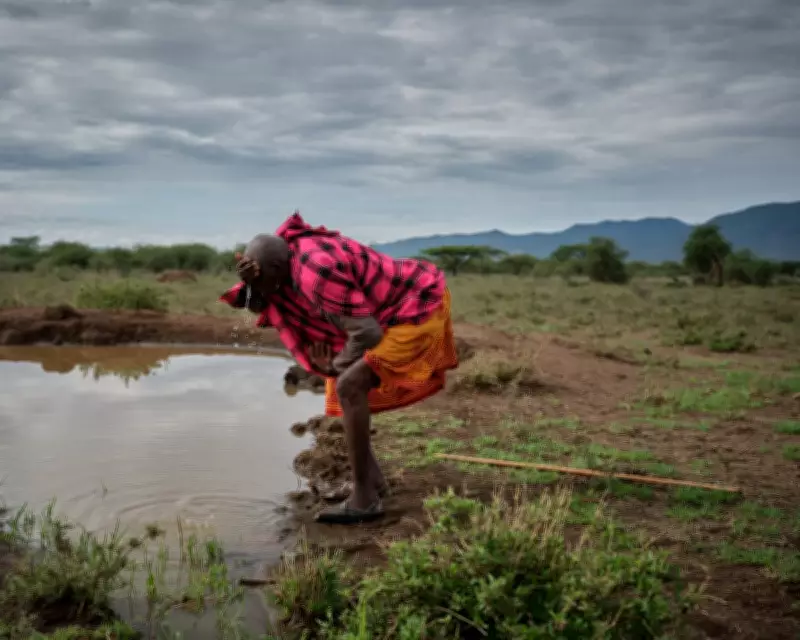
In the heart of Kenya, the Maasai communities are confronting a severe drought that has escalated due to extreme climate patterns, threatening their traditional way of life and livelihoods. This environmental crisis is not just a temporary setback but a profound challenge that is reshaping the social and economic fabric of these indigenous herders.
Livestock Deaths and Deepening Poverty
The drought has led to widespread livestock deaths, a catastrophic blow for the Maasai, who rely heavily on cattle, goats, and sheep for sustenance and income. With pastures dried up and water sources dwindling, animals are perishing in alarming numbers, pushing many families into deeper poverty. The loss of livestock means reduced milk production, meat, and hides, which are essential for both nutrition and trade.
As resources become scarcer, herders are forced to sell off their remaining animals at low prices, further eroding their financial stability. This economic strain is compounded by rising food prices and limited access to alternative income sources, creating a vicious cycle of deprivation that is difficult to break.

Rise in Early Marriages Among Herders
In response to the escalating poverty, there has been a noticeable increase in early marriages within Maasai communities. Families, struggling to cope with the economic hardships, are sometimes resorting to marrying off their daughters at younger ages as a means to secure dowries or reduce the number of mouths to feed. This practice, while rooted in cultural traditions, is being exacerbated by the drought, raising concerns about the long-term impacts on education, health, and gender equality.
Early marriages often lead to girls dropping out of school, limiting their future opportunities and perpetuating cycles of poverty. Moreover, young brides face higher risks of health complications and domestic violence, highlighting the urgent need for interventions that address both the environmental and social dimensions of this crisis.
Extreme Climate Patterns and Environmental Degradation
The drought affecting Maasai lands is part of a broader pattern of extreme climate events in Kenya, driven by factors such as climate change, deforestation, and unsustainable land use. Irregular rainfall, prolonged dry spells, and rising temperatures have become more frequent, disrupting agricultural and pastoral activities across the region.
Environmental degradation, including soil erosion and loss of biodiversity, is further weakening the resilience of these ecosystems. Without immediate action to mitigate climate impacts and promote sustainable practices, the Maasai and other communities in Kenya may face even more severe challenges in the years to come.
Call for Support and Sustainable Solutions
Local and international organizations are calling for increased support to help Maasai communities adapt to these changing conditions. Initiatives such as water harvesting projects, drought-resistant crop cultivation, and livestock management programs are being proposed to build resilience and reduce vulnerability.
Additionally, there is a push for policies that integrate indigenous knowledge with modern science to develop effective climate adaptation strategies. Empowering Maasai herders through education, healthcare access, and economic diversification is crucial to breaking the cycle of poverty and early marriage exacerbated by the drought.
As the world grapples with the effects of climate change, the plight of the Maasai serves as a stark reminder of the urgent need for global cooperation and sustainable development to protect vulnerable populations and preserve cultural heritage.