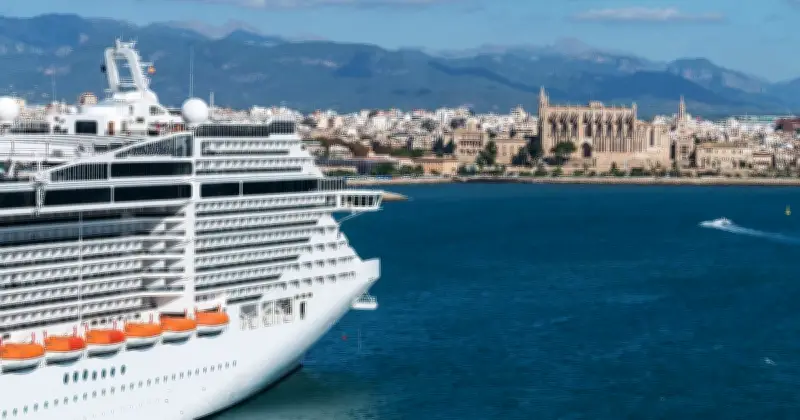
Majorca has implemented a significant reduction in the number of cruise passengers allowed to disembark in Palma de Mallorca under a renewed agreement aimed at curbing tourist overcrowding. The new measures, effective from 2027 to 2029, will reduce the maximum daily passenger count from 8,500 to 7,500 and limit the number of cruise ships to three per day. This change is expected to lower the estimated monthly total by 30,000 visitors.
Details of the Agreement
The memorandum of understanding was signed by the regional government, Palma Town Hall, and the Cruise Lines International Association (CLIA). CLIA's director Alfredo Serrano acknowledged the impact on cruise operators: "There are stopover requests that will need to be modified. The companies will have to adapt, but it's not yet possible to measure the final effect." The agreement is voluntary and represents self-regulation agreed upon with authorities.
Impact on Tourism
Cruise ships have been a major source of contention in Majorca, contributing to worsening tourist overcrowding. In 2025, 511 cruise ships docked in Palma, bringing over 1.8 million passengers. For 2026, the forecast is lower, with approximately 1.4 million cruise passengers expected, concentrated in spring and autumn. Serrano noted that while cruise activity has fallen 15-16% compared to pre-pandemic levels, other tourism segments have grown, making it difficult for residents to perceive a decrease in tourist pressure.

Distribution and Environmental Measures
The memorandum aims to distribute passengers across the island beyond Palma's historic centre. "The island offers much more than Palma's historic centre, and many cruise passengers are already familiar with the city. There is a significant percentage, especially Germans and Italians, who could discover other parts of the island," Serrano added. It also introduces environmental requirements, including limiting water supply during droughts and prioritizing the most sustainable ships. Serrano highlighted that 98% of ships can produce potable water on board, nearly 40% of port calls in the western Mediterranean are by LNG-powered ships, and most vessels can connect to the electricity grid if port infrastructure is available.
Economic Considerations
Serrano dismissed claims that cruise passengers are low spenders, stating their spending in restaurants, shops, transport, and cultural activities is significant, though not comparable to longer-stay tourists. Under the daily regulations, only one of the three permitted ships can carry more than 5,000 passengers.