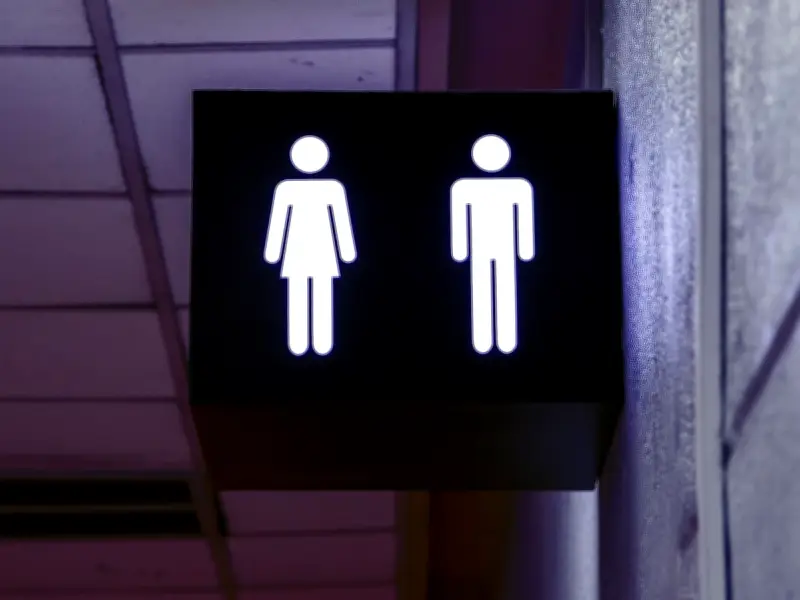
A survey conducted at the Scottish Parliament has revealed that nearly one-third of MSPs and their staff are uncertain about which toilets they are supposed to use, following the introduction of new access rules based on biological sex. The in-house survey, carried out at Holyrood, found that only 68% of people working in the MSP block reported a 'reasonable understanding' of which facilities they are designated to use.
Background to the policy change
The confusion stems from a landmark UK Supreme Court ruling last year, which determined that the legal definition of a woman is based on biological sex. In response, parliament chiefs at Holyrood were forced to scrap the previous policy on access to toilets and changing rooms. The new interim stance now provides male, female, gender-neutral, and accessible toilets for MSPs, staff, and visitors.
However, the survey indicates that only 51% of all staff believe the current approach is 'fair and inclusive,' with this figure dropping to just 45% among those working in the MSP block. Green MSP Q Manivannan, one of two openly trans MSPs elected in the Holyrood elections, called for a review of the policy last month.

Survey findings and understanding levels
The survey, conducted by Optima Workplace Performance, found that 74% of respondents overall reported a reasonable understanding of which facilities they are designated to use under the interim stance. However, there is variation between sexes, with 75% of males and 83% of females understanding the rules. The report noted that the 26% who do not understand the stance include a higher proportion of employees who are trans, non-binary, disabled, and neurodivergent.
Levels of understanding also vary by building, with lower confidence reported in areas such as the MSP Block, where only 68% of respondents felt they understood the rules.
Future plans and review
Lorna Hunter, director of people, communications, and inclusion at the Scottish Parliament, stated that the survey will help ensure the voices of those who work in and visit Holyrood are reflected in future facility design and policy. In a message to staff, she said: 'We will build on these findings to develop and assess options for improvement. Any proposals will be proportionate, evidence-based and deliverable within the constraints of the estate. They will also be informed by inclusive and accessible design principles, so that options are both practical and technically robust.'