Federal Judge Backs Nevada Lithium Mine Project in Landmark Ruling
A federal judge in Nevada has delivered a significant legal victory for the proposed Rhyolite Ridge Lithium/Boron Mine Project, ruling against conservation groups who sought to block the development over concerns for an endangered wildflower. The decision represents a major hurdle cleared for the ambitious mining initiative in Esmeralda County, situated between Reno and Las Vegas.
Project Details and Economic Significance
The 11-square-mile (28.49 square-kilometer) project would tap into what Bernard Rowe, managing director of Australia-based Ioneer, describes as "the largest lithium and boron deposit in the world outside of Turkey." The $2 billion mine is projected to have an operational lifespan exceeding 77 years, producing enough lithium carbonate for approximately 400,000 electric vehicles annually. Additionally, it will yield boric acid used in various applications including pest control, flame retardants, and medical products.
Chad Yeftich, Ioneer's vice president of corporate development and external affairs, emphasized the project's national importance in a statement: "Rhyolite Ridge will create hundreds of new American jobs, reduce reliance on foreign materials and processing, and provide a domestic source of two critical minerals." The mine would become Nevada's third lithium operation and one of few facilities processing materials on-site.

Legal Battle Over Endangered Species
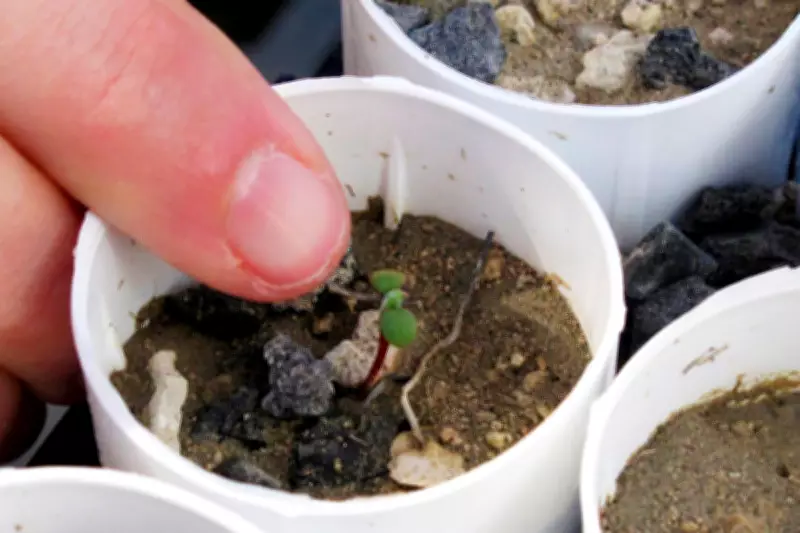
U.S. District Judge Cristina Silva ruled on Friday that federal authorities properly approved the project and adequately assessed its impact on Tiehm's buckwheat—a rare wildflower whose entire global population occupies just 10 acres (4.05 hectares) within the project area. The plant, which grows only a few inches tall in the Silver Peak Range, produces distinctive yellow pom-pom-like flowers in spring and serves as a vital hub for pollinators.
Judge Silva, appointed by President Biden, determined that Ioneer's mitigation measures—including protective fencing and buffer zones between mining activities and the buckwheat habitat—satisfy Endangered Species Act requirements. Her ruling noted that only 4.9% of the plant's 1.4 square mile (3.63 square kilometers) critical habitat would be affected.
Conservationists' Ongoing Opposition
The Center for Biological Diversity, which successfully secured endangered species status for Tiehm's buckwheat in 2022, has vowed to continue fighting the project. Patrick Donnelly, the organization's Great Basin Director, expressed deep concerns about the ruling's broader implications.
"This can seem like a little remote flower in the middle of nowhere," Donnelly stated. "But if we lose on Tiehm's buckwheat, you know, what else are we facing with the whittling away of the Endangered Species Act?" He argued that the mining operation increases extinction risks for the wildflower and could devastate local biodiversity, dismissing protective fencing as insufficient.
Donnelly characterized the cumulative threats to the species as "death by a thousand cuts," warning that the mine's approval could deliver the "death blow" for Tiehm's buckwheat. The conservation group is considering an appeal to the Ninth Circuit Court of Appeals, potentially setting a precedent for how protected habitats are treated under federal law.
Project Timeline and Financial Backing
Ioneer aims to commence construction by year's end, targeting production by 2029. However, the company continues seeking a financial partner after major investor Sibanye Stillwater withdrew last year, citing the project's lack of financial viability. In a significant boost, the U.S. Department of Energy finalized a nearly $1 billion loan for Rhyolite Ridge in January 2025.
The project has received bipartisan support, initially approved under the Biden administration as part of clean energy initiatives and backed by the Trump administration's efforts to bolster domestic critical mineral production. The Interior Department declined to comment on the recent court decision.
As the legal and environmental debate continues, the ruling represents a pivotal moment for both clean energy development and endangered species protection in the American West.