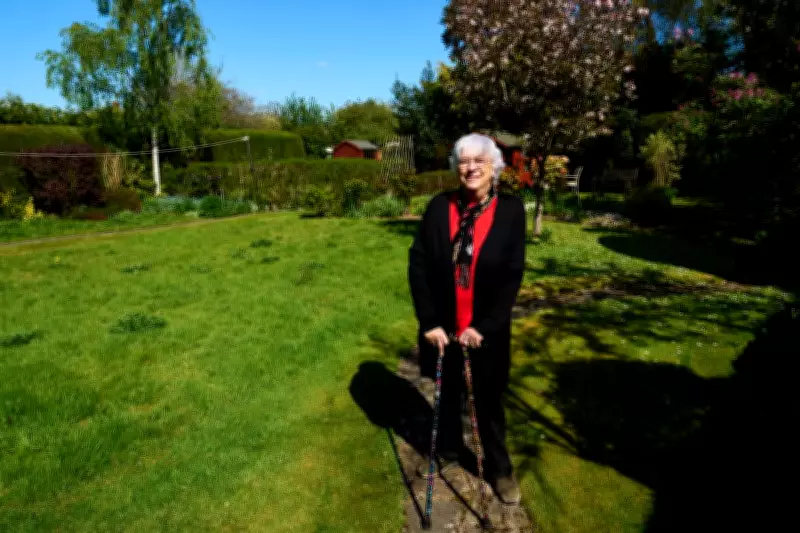
In the Cheshire village of Tattenhall, residents like Ian Waddington have discovered the joys of letting their gardens grow wild. Last summer, Waddington lifted a paving slab to find a field mouse feeding her babies, a moment he describes as 'astonishing, like life in miniature.' Now 86 and retired from construction, he has joined the No Mow May movement, allowing his garden to thrive naturally through spring.
The Rise of No Mow May
Now in its ninth year, the initiative run by Plantlife encourages people to stop mowing during May to promote biodiversity. In Tattenhall, many have participated, transforming lawns into miniature meadows. Janet Dutton, 69, let her lawn grow while caring for her sick partner and now keeps only a small mown patch for her grandchildren. 'The more it grows, the more addicted I get,' she says.
Ecological Benefits
According to Andy Jennings-Giles, senior ecologist at Plantlife, even well-mown gardens have seeds waiting to flower. 'The year you leave it to grow through May, June, and July, all these flowers appear from nowhere.' He notes that 'plant blindness' often prevents people from recognising these sprouts as diverse wildflower habitats.

In Gill Friswell's garden, a patch of grass that looks overgrown reveals at least five flower species, including common spotted orchid, betony, common knapweed, yellow rattle, and columbine. Initially hesitant, Friswell now appreciates the wilder aesthetic. 'It's a nice aesthetic,' she says.
How to Participate
Plantlife recommends leaving lawns uncut through summer, then cutting back in July or August after flowering. Removing cuttings keeps soil fertility low, benefiting wildflowers over grass. This approach transforms garden diversity, improves soil structure, stores carbon, and creates ecosystems for birds, butterflies, and bees. 'It's fantastic for nature from the bottom of the ecosystem,' Jennings-Giles says.
Historical Context
No Mow May helps restore species-rich grassland, which has declined by 97% in England and Wales since the 1930s due to agricultural changes. Historically, manicured lawns were status symbols, but mechanical mowers made them accessible to the middle class. Nicola Hutchinson, interim CEO of Plantlife, calls for a rethink: 'Your lawn is one of the easiest ways to help nature, yet social pressure keeps the mower running. No Mow May is the moment to break that cycle.'