Northern Territory Faces Renewed Flood Threat from Cyclone Narelle
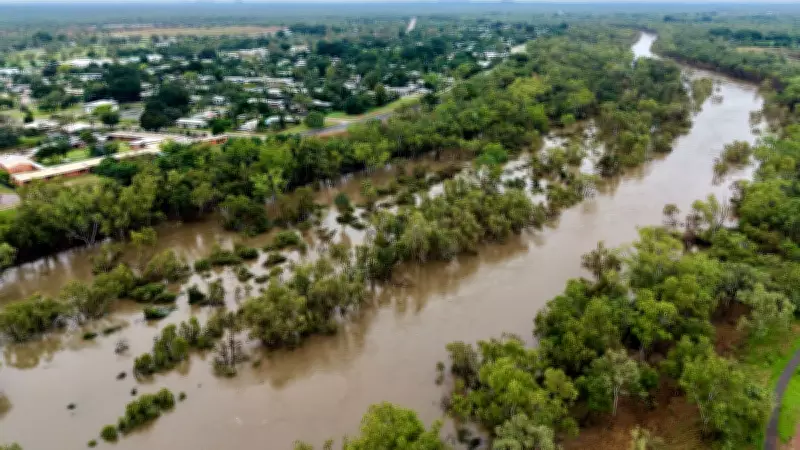
The Katherine River is once again menacing the township as Tropical Cyclone Narelle advances, with the saturated Northern Territory bracing for another deluge of up to 300mm of rain. This comes after Katherine endured one of its worst floods in decades, prompting hospital evacuations and widespread alerts.
Cyclone Narelle Intensifies Weather Crisis
Tropical Cyclone Narelle, the seventh high-risk weather event to strike Australia's north in just five months, was downgraded to an ex-tropical cyclone but continues to pose severe threats. Andrew Walton, the Fire and Emergency Services commissioner, warns that even minimal rainfall could have significant impacts on the already waterlogged landscape. "Katherine and Beswick have had a dress rehearsal for what is potentially ahead," he states, urging preparedness.
Evacuations and Community Struggles
Patients have been evacuated from Katherine hospital, and residents are advised to leave some hotels. In remote areas, such as Jilkminggan, about 300 people fled rising waters with minimal belongings, highlighting disparities in emergency response. Cilia Lake, a Mangarayi traditional owner, expresses frustration over inadequate shelter and support, noting cultural neglect in evacuation centres. "This is our ancestors punishing us for land clearances and gas pipelines," she reflects, connecting the floods to environmental issues.

Historical Context and Ongoing Challenges
The wet season began early in November 2025 with Tropical Cyclone Fina, causing power outages and road damage. Persistent rains have affected up to 85% of roads in central regions, and the Todd River in Alice Springs has flowed continuously, threatening breaches. Following recent floods, insurance costs in Katherine have soared, with some quotes reaching $20,000 annually, exacerbating financial strain on locals.
Government Response and Criticism
Disaster payments, including $611 for adults and $300 for children, have provided some relief, with local businesses like butcher Jason Scaddon reporting increased sales. However, remote Aboriginal communities initially faced exclusion from payments, receiving only about $150 per adult later. Matthew Ryan, chair of the Northern Land Council, calls for better coordination and inclusion of Indigenous people in emergency plans. Dr Kirsty Howey of the Environment Centre NT criticises government investments in fracking amid climate disasters, arguing for redirected resources towards evacuation support.
Climate Risks and Future Outlook
The federal government's 2025 climate risk assessment predicts more frequent natural disasters in northern Australia, with First Nations communities at highest risk due to socioeconomic vulnerabilities. As heavy rain is expected to continue, authorities emphasise the need for robust emergency management to address the escalating climate crisis in the region.