Major Oil Spill Causes Economic Catastrophe for Gulf of Mexico Fishermen
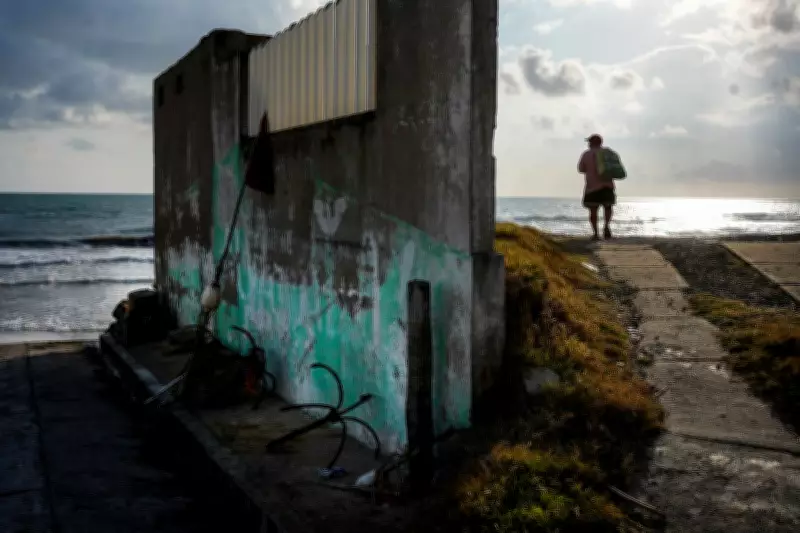
A devastating oil spill in the Gulf of Mexico has spread across more than 600 kilometers of ocean, infiltrating seven protected nature reserves and delivering a severe economic blow to fishing communities during their peak Holy Week season. The spill, originating from a vessel anchored off Coatzacoalcos port in Veracruz state along with two natural seepages, has created widespread contamination along the coasts of Veracruz, Tabasco, and Tamaulipas.
Deserted Markets and Plummeting Catches
Fish markets in the coastal city of Veracruz, typically bustling with customers ahead of Holy Week celebrations, stood virtually empty as the crisis unfolded. Vendors resorted to desperate promotional tactics to attract the few remaining customers, with fishing activity declining dramatically across the affected regions.
"This is our livelihood," declared Miguel López Rojas, owner of a fish stall in the popular market, expressing the anxiety gripping fishing communities. "The oil spill hasn't only caused a dramatic drop in fish supplies, but also a decline in purchases, as consumers are avoiding the product."

Environmental Concerns and Economic Hardship
While government authorities estimate approximately 430 tons of hydrocarbons have been collected and have ruled out severe environmental damage, local media reports contradict this assessment with images of dead turtles, eels, and fish washing ashore. Federal health authorities have denied any illness reports linked to contaminated seafood, but public concern continues to spread nationwide.
"You have to be careful with the pollution because we still don't know what this spill could lead to," cautioned Susana Gutiérrez, a 67-year-old seamstress shopping at a Mexico City market.
Livelihoods in Peril
Fishermen face unprecedented hardship as they've been forced to nearly completely halt operations to prevent boat engines and nets from oil contamination, effectively losing their primary income source during what should be their most profitable season. Veracruz, responsible for approximately 2.76% of Mexico's fish, oyster, and seafood production in 2024, has been particularly hard hit.
"This year has been very disastrous for us," lamented Norma González Pérez, a fisherwoman from Salinas in southwestern Veracruz. "In all my years of life we had never experienced something of this magnitude."
The situation has become so dire that some fishermen have resorted to bank loans to survive. Holy Week, traditionally a festive season marked by abundant catches due to annual fish migrations in the Gulf of Mexico, now brings only despair.
"This year there will be no celebration or anything," González Pérez added bleakly. "This year we will basically have nothing."
Ongoing Cleanup and Unclear Impact
As federal and state authorities intensify containment and cleanup efforts along affected beaches, the full scale of the economic damage remains uncertain. While no official estimate exists for how many fishermen have been affected, activists suggest the number could reach several hundred individuals whose livelihoods depend on the now-contaminated waters.
The crisis highlights the vulnerability of coastal communities to environmental disasters and raises serious questions about both immediate economic recovery and long-term environmental restoration in one of Mexico's most important fishing regions.