In the high Andean mountains of Peru, indigenous communities are fighting to protect the country's beloved potatoes against climate change. Known as the 'potato guardians,' they preserve over 1,500 varieties in a biocultural reserve called Parque de la Papa, or Potato Park, located 30 miles northeast of Cusco at 3,250 meters above sea level.
Ancestral Knowledge and Celestial Signs
Jhon Edison Ccoyo Ccana, a tourism coordinator from the Pampallacta community, looks to the night sky for the constellation Chacana, or Inca Cross, to know when to harvest. This knowledge, passed down through generations, is rooted in ancestral agricultural techniques. The park, created in 2002, is an indigenous-led project that protects biodiversity and cultural heritage, including farming practices, language, and customs. Around 7,200 people across five communities live in this 9,000-hectare reserve, descendants of the Incas.
Preserving Potato Diversity
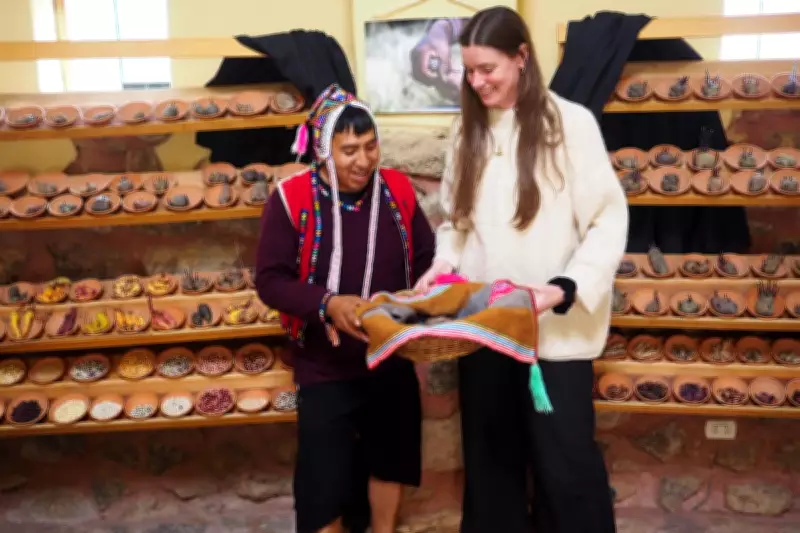
The park's seed bank holds 750 varieties, with many seeds found nowhere else. Only traditional tools and natural fertilizers like llama and alpaca manure are used. Despite being recognized as an Agrobiodiversity Zone, the park receives no government funding and relies on agro-tourism with partners like National Geographic and G Adventures. Inside the seed bank, simple wooden shelves hold shallow pottery bowls filled with potatoes in astonishing colors and shapes, from deep indigo to dusty pink and marbled red.

"Here in the park, we have 1,372 varieties of Peruvian potatoes. There are 3,500 in Peru and 5,572 in the world," says Jhon. He offers a puma maqui potato to taste, which is warm, fluffy, and slightly sweet. Another famous variety is q’achun waqachi, 'the one that makes women cry,' traditionally given to a bride-to-be to peel without altering its shape.
Climate Change Threats
Climate change is narrowing the altitude band where potatoes can grow, forcing farmers higher up the mountain. Rainfall is less predictable, and pests are increasing. Jhon notes that potatoes grow between 3,000 and 4,500 meters, but with rising temperatures, they may need to move to 5,000 meters, limited by glaciers. Preservation techniques like dehydration allow some potatoes to be kept for up to 20 years, locking in nutrients for recovery after childbirth.
Revival in Urban Cuisine
Beyond the Andes, native potatoes are experiencing a revival in Peru's cities. Chef Rocio Zuñiga of Nuna Raymi in Cusco serves a native-potato tasting menu sourced from Andean guardians. In Lima, Virgilio Martinez of Central champions potato diversity, saying, "Potatoes are just a humble ingredient, but we're finding the luxury in them. For us, they're better than caviar." At restaurant Kjolle, chef Pía León's signature dish 'Many Tubers' showcases nine varieties prepared with different techniques, presented in a wreath shape with a purple potato mousse.
In an era of accelerating climate instability, seed preservation is an insurance. "We don't do this for fun … It's like our religion. The future's not just for us, it's for the whole world," says Jhon. The guardians pass on their skills, like reading constellations, ensuring that resistance takes root, one potato at a time.