A stark new study commissioned by the European Union has revealed the staggering economic burden posed by toxic 'forever chemicals', warning that Europe could face costs of up to £1.4 trillion by 2050 if decisive action is not taken.
The Mounting Financial Burden of PFAS Pollution
Per- and polyfluoroalkyl substances (PFAS), a group of over 10,000 synthetic chemicals, have become ubiquitous in modern life. Found in everything from non-stick cookware and waterproof clothing to firefighting foams and industrial cleaning products, these persistent compounds are now presenting an enormous financial liability.
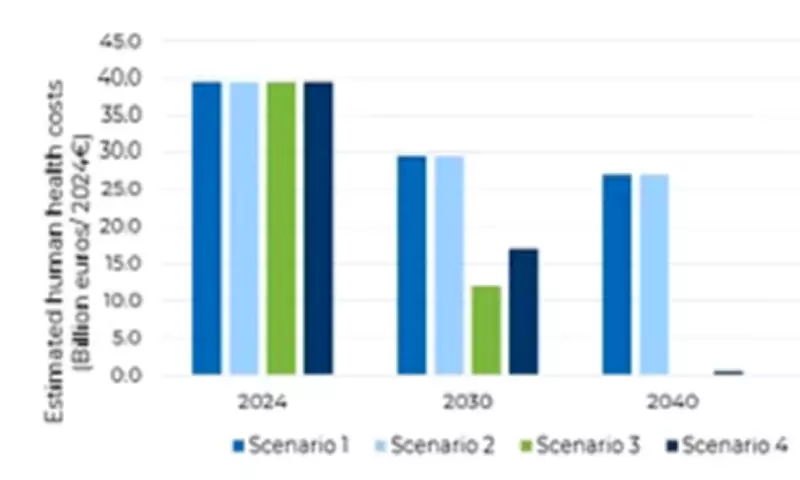
The report, conducted by consultancies WSP, Ricardo, and Trinomics, presents a sobering economic analysis. Under a business-as-usual scenario where PFAS use continues unchecked, the health and environmental impacts are projected to cost Europe approximately £381 billion by 2050. This figure represents merely the 'baseline' costs, with current annual health expenditures already standing at £34 billion.

The True Scale of the Crisis
However, the study warns that these baseline figures could balloon dramatically. If Europe attempts to treat contaminated soil and water without implementing a ban on PFAS production and use, the total costs are expected to surge well beyond £1 trillion, potentially reaching the alarming £1.4 trillion threshold.
These chemicals earn their 'forever' moniker from their extraordinary persistence in the environment, taking hundreds or even thousands of years to break down naturally. This durability means that even small amounts leaching into waterways, soil, and ultimately human bodies accumulate over time, reaching toxic concentrations with devastating health consequences.
Health Impacts and Environmental Contamination
Scientific research has linked PFAS exposure to a wide range of serious health conditions, including pregnancy complications, liver damage, and several forms of cancer. Their biological impact stems from their ability to mimic fatty acids and disrupt endocrine systems, interfering with fundamental hormonal processes.
The contamination problem is already widespread. Previous research has shown that 98 percent of UK rivers contain harmful forever chemicals, with the River Kelvin in Glasgow recording the second-highest concentration of trifluoroacetic acid (TFA) ever measured globally. TFA is a specific PFAS compound suspected of damaging fertility and child development.
The Economic Case for a Ban
Despite initial reluctance due to potential economic disruption, the study presents a compelling financial argument for phasing out these chemicals. The analysis suggests that implementing a comprehensive PFAS ban could yield substantial savings.
If the EU were to pass such legislation, the annual cost of treating PFAS-related health issues could plummet to just £433 million by 2040. By 2050, this would translate to overall savings exceeding £95 billion compared to the business-as-usual scenario. When contrasted with the astronomical costs of attempting environmental remediation while PFAS production continues, the potential savings become even more significant.
Political Challenges and Industry Resistance
EU Environment Chief Jessika Roswall has acknowledged the study's findings, stating: "The study confirms that addressing PFAS at their source is both crucial and economically wise. Balancing economic interest with nature and health costs is vital."
Nevertheless, progress toward regulation has been sluggish. EU lawmakers are preparing to propose a ban later this year, but face expected strong pushback from industry bodies and certain political groups. Even with potential carve-outs for 'critical sectors', opposition may delay or prevent the ban's passage.
The UK's position remains particularly concerning. Despite ordering water companies to address PFAS levels in drinking water last year, the government has yet to propose banning the chemicals outright. This regulatory hesitation persists despite clear evidence of widespread contamination and mounting health costs.

A Long-Term Challenge
Experts caution that even if a ban were implemented immediately, the persistent nature of these chemicals means environmental levels would take centuries to return to safe concentrations. Consequently, economic costs associated with PFAS contamination are not expected to reduce to zero in the foreseeable future, underscoring the urgency of preventative action.
The study's findings add weight to growing calls for comprehensive regulation, presenting not just an environmental and public health imperative, but a clear economic one. As Europe contemplates its next steps, the £1.4 trillion price tag of inaction looms ever larger.