Orange skies and so-called 'blood rain' are predicted to become more frequent occurrences across the United Kingdom, driven by the escalating impacts of climate change, according to a leading environmental expert. This phenomenon, which leaves a distinctive red-orange residue on surfaces, results from dust particles originating in the Sahara Desert being transported vast distances through the atmosphere before descending with rainfall.
Understanding the 'Blood Rain' Phenomenon
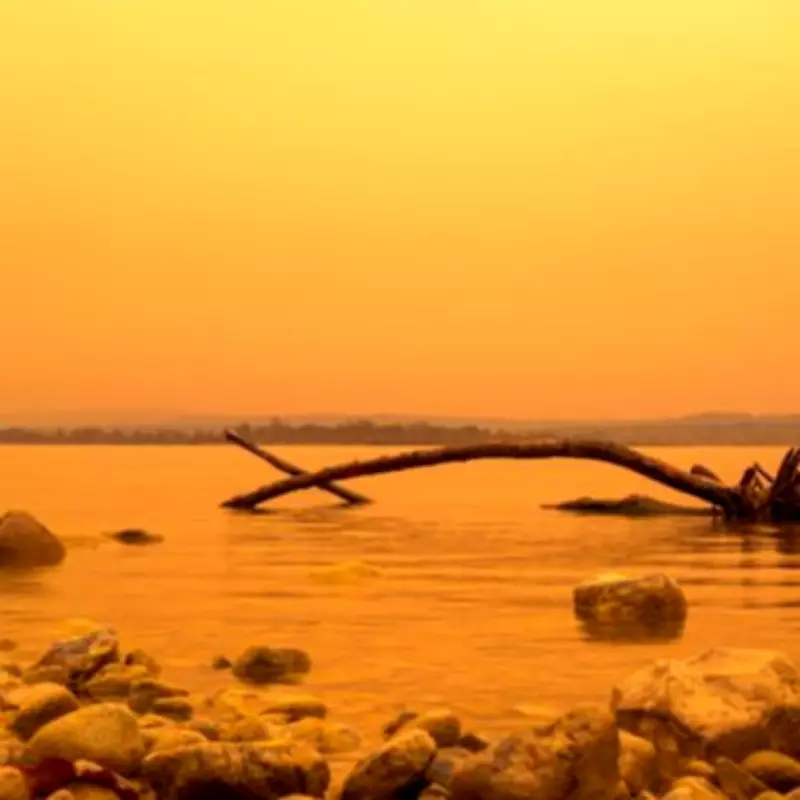
In recent years, residents across Spain, France, and the UK have witnessed increasingly eerie atmospheric conditions, characterised by deep orange sunrises and skies obscured by a yellowish haze. These hazy episodes often culminate in 'blood rain', a rust-coloured precipitation that deposits a fine, gritty film on vehicles, windows, and outdoor structures.
Hossein Hashemi, a Senior Lecturer at the Centre for Advanced Middle Eastern Studies at Lund University, explains the underlying causes. "As climate change transforms the world's largest desert, Europe finds itself increasingly downwind of a shifting environmental crisis," he stated. While a significant portion of Saharan dust typically drifts across the Atlantic Ocean, growing quantities are now spreading northward into Europe, particularly from February through June.

Climate Change Intensifies the Threat
Hashemi highlights the direct link between global warming and increased dust mobilization. "Rising temperatures dry out soils and accelerate desertification processes, making it far easier for winds to dislodge fine particles," he noted. Under extreme warming scenarios, projections indicate that the volume of Saharan dust lifted into the atmosphere could surge by 40% to 60% by the century's end.
The environmental and health implications are severe. Saharan dust can "substantially degrade air quality, pushing levels of invisible particulate matter beyond established health guidelines," Hashemi warned. These fine particles, classified as PM10, are capable of penetrating deep into human lungs, triggering asthma attacks and exacerbating cardiovascular conditions.
Alarming Health Statistics and Broader Impacts
Modelling studies in southern Europe reveal a startling connection: Saharan dust may be responsible for up to 44% of deaths linked to PM10 pollution in countries like Spain and Italy. Beyond health, the dust poses operational challenges, reducing the efficiency of solar panels and disrupting aviation and road traffic by significantly lowering visibility.
In response, early warning systems have been developed that can predict dust events up to 15 days in advance. This allows health authorities to issue timely alerts, advising vulnerable populations, such as the elderly and those with respiratory conditions, to remain indoors during high-risk periods.
Hashemi concludes with a call for urgent international cooperation. "Whether orange skies remain a curiosity or become a regular feature of European life, governments throughout Europe and Africa must take this shared risk seriously," he emphasised. The increasing frequency of 'blood rain' serves as a stark reminder of the interconnected environmental challenges posed by climate change.