Dr Mark Borthwick has responded to recent reports on Norwegian fish farms, cautioning that the pollution issues are not unique to Norway but are equally prevalent in Scottish waters. The biological and chemical processes behind the waste generated by open-net salmon farming are universal, affecting Scotland's marine environment just as severely.
Waste Output Comparable to Human Sewage
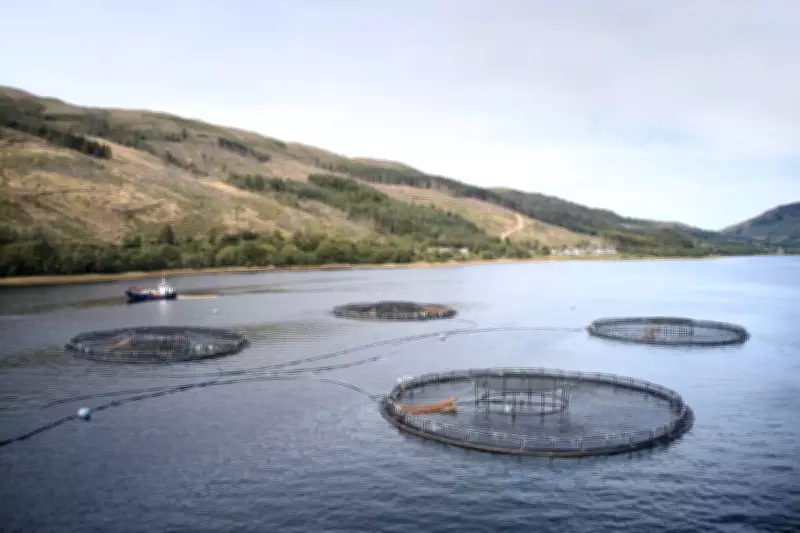
Each tonne of salmon produced generates waste equivalent to that of 80 humans, discharged unfiltered into surrounding waters. With 215 open-net sea cage farms operating in Scotland in 2025, the cumulative impact is substantial. A proposed expansion at Yell Sound in Shetland alone was calculated to produce effluent equivalent to 20 times the entire population of Shetland. Similarly, an expansion at Loch Long, situated within a national park, was projected to generate effluent exceeding the sewage output of Edinburgh's entire population. These figures highlight the routine consequences of industrial salmon farming.
Chemical Pollution and Regulatory Exemptions
The chemistry described in the Norwegian report, involving nitrogen and phosphorus that trigger eutrophication and oxygen depletion, applies equally to Scottish sea lochs and English river systems. Research indicates that approximately 70% of nitrogen and 80% of phosphorus inputs to a salmon farm are lost to the environment. Fish farms currently enjoy a grandfathered exclusion from nitrate vulnerable zone legislation, along with exemptions from many animal welfare laws and food chain information requirements. This pollution is integral to their business model, as stricter regulation comparable to terrestrial farming would threaten profitability.

Lack of Environmental Assessments
Despite a tentative call by the Scottish parliament's rural affairs and islands committee for a moratorium on new farms if conditions do not improve within a year, permissions continue to be granted for ever-larger salmon farms. Many of these are commissioned without environmental impact assessments, raising concerns about oversight and accountability.
Dr Borthwick emphasizes that while Norway's pollution load is larger due to its larger industry, the underlying problem belongs to the whole of industrial salmon farming. Readers in Britain should understand that their own waters are not exempt from these issues.