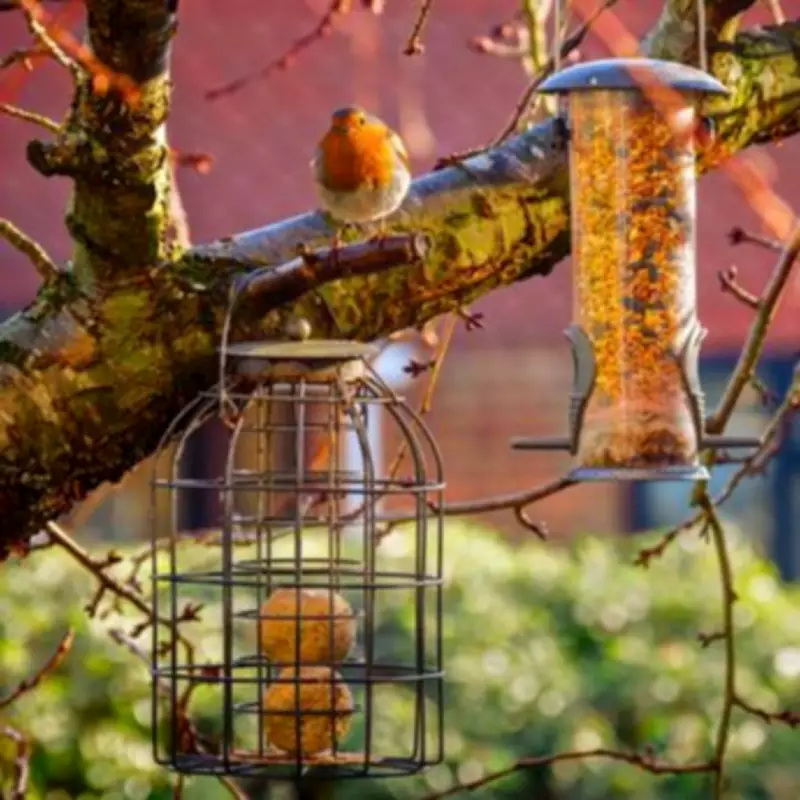
Bird Feeding Alert: Why Bread Is Harmful to Garden Visitors in March
Garden enthusiasts across Britain are receiving a crucial warning this March: stop feeding bread to wild birds immediately. Experts emphasize that this common practice could be doing more harm than good, potentially endangering the very creatures people aim to help.
The Dangers of Bread for Wild Birds
Debi Klein, a gardening expert and co-founder of The Backyard Naturalist, has issued a stark caution against offering bread, crackers, or other human snack foods to birds. "Please don't give wild birds bread, crackers or other human snack foods," she stated. "Bread has no nutritional value for wild birds. In fact, bread, crackers, chips and other human snacks are, in some ways, WORSE than feeding birds absolutely nothing."
This time of year is particularly critical, as natural food sources like berries have depleted over winter, driving birds into gardens. However, filling them with carbohydrate-rich items like bread can be disastrous. These foods may satiate birds but provide no energy, leading to exhaustion and cold due to their fast metabolisms. Without proper nutrition, birds risk dying overnight from the cold in March.

Why Human Foods Are Unsafe
There's a widespread misconception that birds enjoy bread, often fueled by people feeding it to ducks at rivers or ponds. But bread should not be given to any wild bird. Beyond lacking nutrients, human foods pose additional risks:
- Birds cannot process salt, so salty items can severely damage their kidneys.
- Hard foods like unsoaked raisins or sultanas can become choking hazards.
- These items fill birds up without providing the energy reserves needed to stay warm.
Recommended Alternatives for Bird Feeding
To genuinely help birds survive, experts advise offering fatty foods specifically designed for them. These include:
- Fat balls and suet pellets, which deliver high energy.
- Sunflower seeds, a nutritious and popular choice.
- Unsalted peanuts from pet shops, loved by robins, finches, and woodpeckers.
- Soft fruits like apple or pear pieces, or soaked raisins and sultanas to prevent choking.
These alternatives provide essential energy that can save birds' lives on freezing mornings, especially if they haven't eaten since the previous day. Additionally, water is vital during this season; maintaining a birdbath ensures gardens remain a safe haven for these wary visitors.
By avoiding bread and opting for proper bird foods, gardeners can support local wildlife effectively, making their outdoor spaces a healthier destination for birds in March and beyond.