US Government Announces Third Oil Lease Sale for Alaska's Arctic Refuge Amid Legal Battles
The United States government has revealed plans for another oil and gas lease sale targeting Alaska's Arctic National Wildlife Refuge, scheduled for June 5. This announcement comes despite two previous sales that failed to attract major oil companies and ongoing litigation aimed at preventing drilling in this region, which indigenous Gwich'in communities consider sacred.
Background of Previous Sales and Legal Challenges
This upcoming sale would represent the first under a congressional law enacted last year, which mandates four lease sales on the refuge's coastal plain over a decade. However, it marks the third overall attempt to lease these lands. The initial sale occurred near the end of President Donald Trump's first term and has since been embroiled in legal disputes. A subsequent sale in early 2025, just before President Joe Biden left office, received no bids whatsoever.
Supporters of drilling, including prominent Alaska political figures, have argued that last year's offering was too limited to generate interest from the industry. The June sale will be the third federal oil and gas lease sale in Alaska this year alone, part of an aggressive push by the Trump administration to expand energy development across the state.

Recent Lease Sale Outcomes and Industry Demand
Recent lease sales in Alaska have yielded mixed results. A sale last month for the aging Cook Inlet basin attracted no bidders, while a separate sale in the National Petroleum Reserve-Alaska—where the large Willow oil project is currently under development—drew hundreds of bids despite pending legal challenges.
Bill Groffy, the acting director of the Bureau of Land Management, stated that the success of last month's petroleum reserve sale indicates a "robust and continuing demand for Alaskan energy", emphasizing the need for additional opportunities like the upcoming Coastal Plain sale.
Indigenous Opposition and Conservation Concerns
Leaders from Gwich'in villages near the arctic refuge, along with various conservation groups, have pledged to continue their fight against efforts to open the coastal plain to drilling. The Gwich'in regard this area as sacred because it serves as the calving grounds for the Porcupine caribou herd, which they depend on for sustenance and cultural practices.
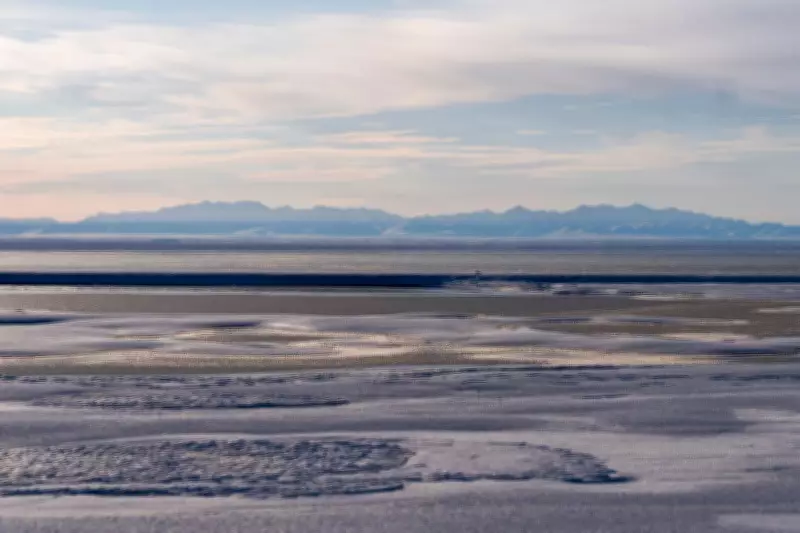
The coastal plain, bordering the Beaufort Sea in northeast Alaska, features rolling hills and tundra that provide critical habitat for wildlife including muskoxen and numerous migratory bird species. Galen Gilbert, first chief of the Arctic Village Council, criticized the administration's persistence, stating, "The Trump Administration’s relentless push to auction off this sacred land despite overwhelming public opposition and industry that has already signaled they are not interested makes clear that this administration values corporate interests over the rights and lives of Indigenous peoples."
Decades-Long Debate and Economic Perspectives
The debate over drilling in the Arctic National Wildlife Refuge has spanned decades. Leaders of Kaktovik, an Iñupiaq community located within the refuge, view responsible development as essential to their region's economic well-being and have supported the Trump administration's efforts to open more lands for drilling.
The Bureau of Land Management estimates that the coastal plain could contain between 4.25 billion and 11.8 billion barrels of recoverable oil, though detailed information about the quantity and quality of these reserves remains limited. Conservationists, however, see the refuge as the crown jewel of the national refuge system—a pristine wilderness that should remain entirely off-limits to industrial development.
Andy Moderow, senior director of policy at the Alaska Wilderness League, condemned the planned sale, calling it "simply runs counter to common sense." He urged companies to avoid participating, warning that any purchase would send a clear message that "no place in Alaska is too sacred to drill in a quest for corporate profits."

The Arctic National Wildlife Refuge itself is the largest in the United States, covering an area approximately the size of South Carolina, underscoring the significant environmental and cultural stakes involved in these ongoing lease sale efforts.