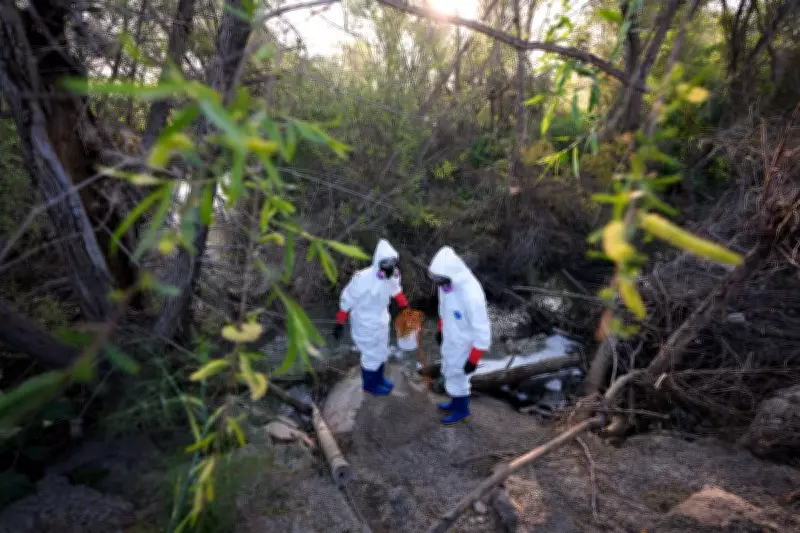
Toxic Tijuana River Crisis: Sewage Flood Causes Health Emergency in California
Residents living near the Tijuana River in Southern California are facing a severe environmental and health crisis, with over 100 billion gallons of raw sewage, industrial chemicals, and trash inundating the waterway since 2018. This toxic flood originates in Mexico and flows across the border, creating a dire situation for communities on the U.S. side.
Health Impacts and Toxic Exposure
Local residents, such as Steve Egger, report pervasive foul odors and a range of debilitating health symptoms. These include persistent headaches, respiratory difficulties, nausea, and more alarming conditions like tremors and delirium. The primary culprit is hydrogen sulfide, a hazardous gas released from the decaying waste, along with thousands of other toxic, often odorless, gases detected in the area.
Research has revealed that hydrogen sulfide concentrations in affected neighborhoods can spike to 4,500 times higher than typical urban levels during peak river flows. This extreme exposure is linked directly to the sewage and chemical pollutants, posing significant risks to public health.

Disproportionate Effects and Ongoing Neglect
The crisis disproportionately impacts a largely poor, Latino population, highlighting issues of environmental injustice. Despite a U.S.-Mexico agreement to upgrade wastewater treatment plants, the pollution continues unabated. Environmental Protection Agency officials estimate that resolving this long-standing issue could take approximately two years, leaving communities in limbo.
The contamination has forced frequent closures of San Diego County beaches and has even caused illnesses among Navy SEALs training in the area. These incidents have spurred calls for updated federal and state safety standards for hydrogen sulfide, which are currently outdated and inadequate for addressing the scale of this problem.
Broader Implications and Urgent Calls for Action
The Tijuana River situation underscores broader challenges in cross-border environmental management and public health protection. With raw sewage and industrial waste flowing unchecked, the region faces not only immediate health threats but also long-term ecological damage.
Advocates and affected residents are urging swift action from both U.S. and Mexican authorities to enforce existing agreements and implement stronger regulations. The need for comprehensive monitoring and timely intervention is critical to prevent further harm and restore safety to these vulnerable communities.