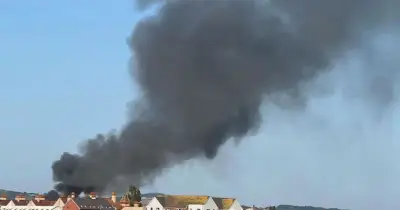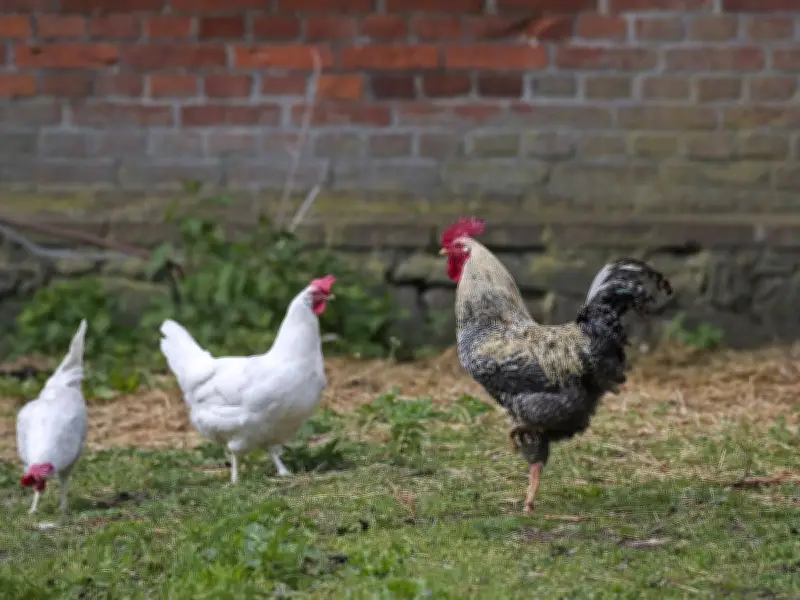
The UK has been warned of a potential chicken shortage as temperatures are predicted to soar to 41°C during an upcoming heatwave between July 8 and July 11. The scorching conditions are expected to place significant strain on the farming sector and food provision, with livestock and crops facing extreme stress.
Heatwave Impacts on Livestock
In 2022, when temperatures previously reached 40°C, thousands of chickens died during transit, leading to supply shortages. Jez Fredenburgh, senior food and climate analyst at the Energy and Climate Intelligence Unit, stated: "The UK's food system, including nature and farmed animals, is increasingly coming under strain from periods of high heat, and we've had two record breaking heat waves in both May and June. These can have disastrous consequences. For example, during summer 2022, when temperatures reached more than 40°C in the UK, around 18,500 chickens died in transport due to heat stress and wildfire incidents increased by more than 300% compared to the year before."
Previous Chicken Shortages
Chicken availability problems have previously caused disruption in the UK. In 2018, fast food chain KFC ran out of chicken, forcing hundreds of outlets nationwide to close temporarily. During that shortage, KFC tweeted: "To put it simply, we've got the chicken, we've got the restaurants, but we've just had issues getting them together." Another heatwave could result in protein shortages across numerous restaurants as the farming sector faces mounting pressure.

Farmers on the Frontline
Martin Lines, farmer and CEO of the Nature Friendly Farming Network, said: "The current heat across the UK is another reminder that farmers are on the frontline of climate change. Prolonged high temperatures place huge stress on livestock, dry out soils and reduce crop resilience, all while putting more pressure on nature."
Supermarket Shelves at Risk
Last week, sweltering conditions already caused bare supermarket shelves due to refrigeration problems. With the additional worry of supply shortages, the next bout of extreme temperatures could leave UK stores looking remarkably bare.