Scientists have explained why the current UK heatwave feels more intense than others in recent memory — it comes down to humidity levels and "wet bulb" temperatures. The key reason is humidity, which is nearly twice as high as in many other recent hot spells, according to experts.
Humidity Makes the Heat Feel Worse
Contrary to popular belief, Britain's day-to-day climate is not exceptionally humid by international standards — particularly when compared to the subtropics or the Persian Gulf. But this current heatwave is nearly twice as humid as many other recent hot spells, according to experts. When humidity is this high, it can pose severe threats to our health, such as the risk of heatstroke or cardiovascular complications.
This means that some parts of the country under a red heat health warning might actually 'feel' warmer than they did during the infamous 40C heatwave in 2022, even if temperatures don't reach the same level.

The Wet Bulb Effect Explained
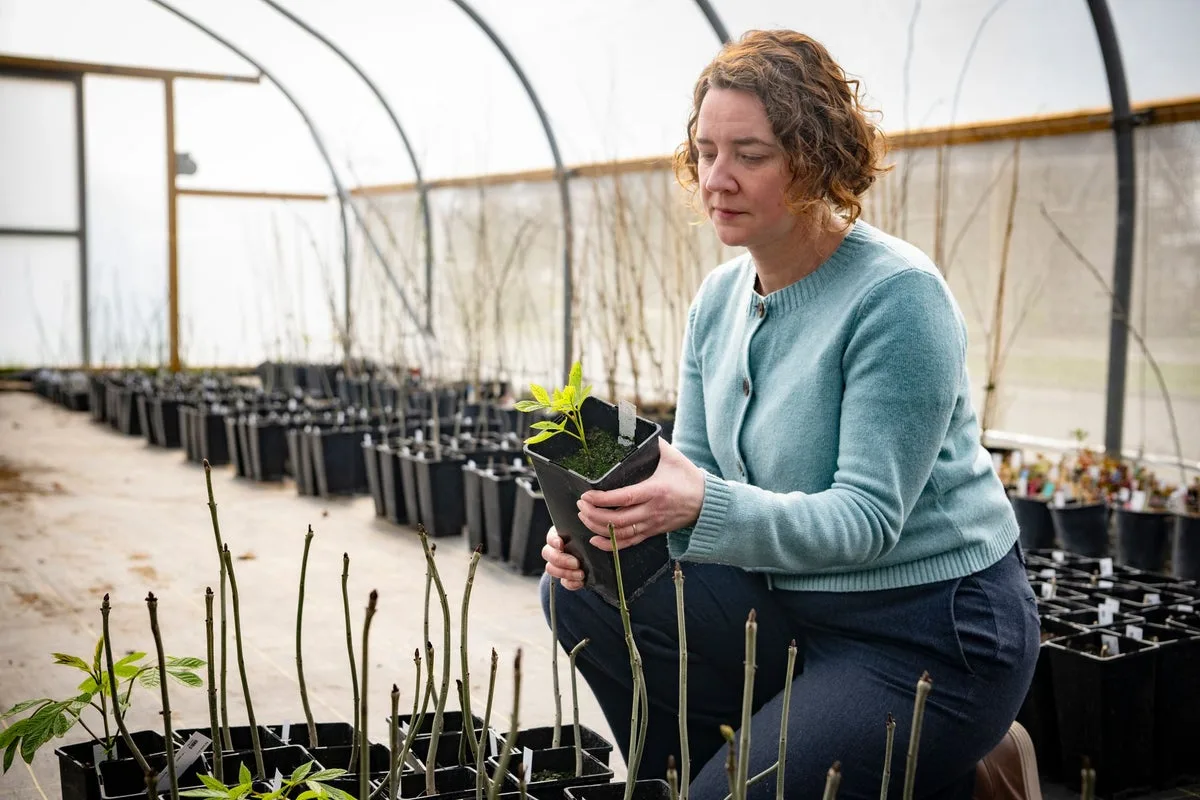
Meteorologists call this the 'wet bulb' effect — which occurs when high humidity prevents sweat from evaporating, stopping the human body from cooling itself down naturally. Regius Professor Hannah Cloke, from the University of Reading, explained: "What makes this week particularly notable is not just the heat but the humidity. During the 2022 heatwave, which set the UK's all-time temperature record, conditions in Reading on the peak day at 10am were very dry, around 28% humidity at 32C. This week's forecast combines temperatures at 10am of around 30C with humidity closer to 50%, which produces a considerably higher wet bulb reading."
She added: "In practical terms, that means the body has to work harder to cope despite the air temperature being somewhat lower than in 2022. It is the combination of heat and humidity that matters, not the thermometer alone. Humid heat is harder heat."
Health Risks and Warnings
According to the Met Office, the specific risks of high humidity include health heat stress, dehydration, and in "severe cases", heatstroke or cardiovascular complications. Vulnerable people such as the elderly, children, and those with pre-existing health conditions are more at risk.
It comes after one forecaster told the Mirror that temperatures could "feel like 50C" — even if the mercury doesn't get anywhere near that high. British Weather Services' senior meteorologist Jim Dale told the Mirror: "It could well be worse on Thursday — we're in the middle of the Sizzler from the South. We've got the heat dome in position now, and as the south west front starts to move into the cooler air, you start to drag in more hot air from France and Spain — and eventually North Africa — so all of that starts to add to the hot weather pie."
He continued: "This is the important bit; the humidity. The heat index, which is a combination of temperature and humidity, could well be 10C more than the actual air temperature. So when we say 40C, if it ever reaches that, it will feel like 50C, and that's why there's going to be a problem." He added: "It's Marmite weather; you either love it and enjoy it, or you suffer... and the sufferers are going to feel it big time."