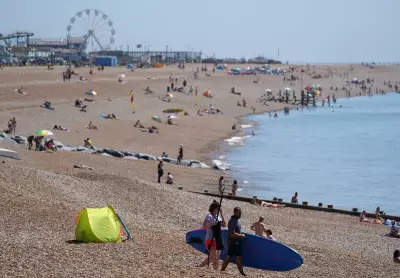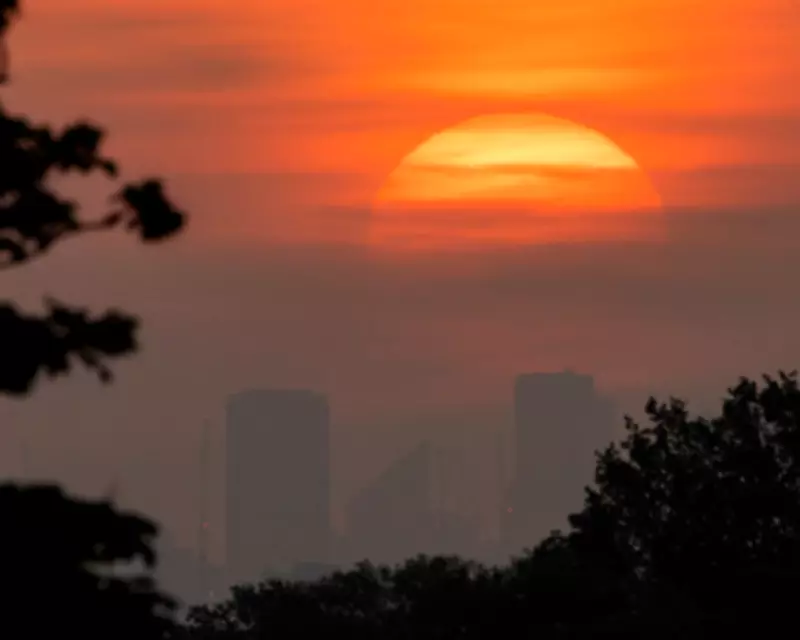
The UK swelters once again. On Tuesday, temperatures surged to 35C, condemning millions of people to another sticky night in homes ill-prepared for such warm conditions.
The heat is record-breaking: we are still in spring, yet temperatures are close to extremes we once never expected even in high summer. Yorkshire experienced its first ever 'tropical night' in spring on Monday, when the evening temperature failed to fall below 20C. Health alerts remain in effect across large parts of the country due to the increased likelihood of deaths, particularly among vulnerable and elderly people. Yet, experts warn, this may just be the road to a new normal.
A Changing Climate
Climate scientists often warn British audiences that they have already lived through the coolest years of their lives. It is a sobering thought: a nation of grandchildren that will probably not recognise the seasons of their elders' youth. The UK's mild, predictable weather patterns are fading in a rapidly warming world, replaced instead by extremes. Winter is increasingly wet, dominated by deluges that flood and waterlog the country. Summer is punctuated by heatwaves and drought which turn the lush, verdant landscape brown.

This week's heatwave is another reminder of what could await us in the coming decades. Late May, which typically sees average temperatures in the mid-to-high teens, has been historic: records have been shattered across England day and night. National infrastructure creaked in the scorching conditions, with offices, hospitals and homes overheating, train journeys cancelled, and some hospitals reporting a rise in admissions.
Damian Carrington, the Guardian's environment editor, says the current extreme weather is an example of the speed at which rising temperatures are affecting the UK. 'Carbon emissions produced by fossil fuel burning are trapping heat in the atmosphere and warming the planet. We've known that for a long time and this is what happens. It is nearly 15 degrees hotter than normal right now, which is really crazy,' he says. 'We usually break temperature records by a tenth of a degree. But this one was broken by two [degrees]. To me, it shows how quickly climate change is impacting us.'
The Consequence of Decades of Emissions
The current heatwave is not being driven by natural climate phenomena like El Niño, which will probably start to affect UK weather patterns in the autumn. While there are warnings of a so-called 'Super El Niño' developing in the Pacific, which would probably cause extreme heat and weather around the world, this has not yet happened. Instead, the warm temperatures in the UK are the consequence of decades of greenhouse gas emissions, and will become increasingly common in future years.
To adapt in the short term, Damian says that British society needs to reexamine its 'mad dogs and Englishmen' approach to hot weather, and consider adopting customs that people use in warmer countries. Many British people do not recognise the danger that high temperatures can bring – especially for the most vulnerable.
'In the UK, we typically have a very mild climate. It's not renowned for its hot summers. It's grey and rainy in people's imaginations. So, when we get heat, people tend to rush out and go to the beach, go out for a drink. In places that are used to this kind of heat, people do not usually do that. They stay inside in the hottest parts of the day, they sit under trees and parasols,' he says. 'We [reporters] are not killjoys. But I remember seeing a poll last year which said that about a third of people still do not think the heat we get is dangerous. People can get severely ill, so there's definitely a cultural change that needs to happen.'
Bad News for South Facing Homes, Schools and Prisons
But short-term, sensible changes are not going to be enough to prepare the UK for a hotter world. Last week, a major report by the Climate Change Committee (CCC), which advises the government on rising temperatures, warned that Britain is built for a climate that no longer exists, calling for radical changes.

UK homes will need air conditioning to survive the predicted temperature rises, which will probably surpass current conditions by several degrees. Heatwaves are expected to surpass 40C in all parts of the country by the middle of the century, with hot weather lasting longer, causing the vast majority of homes to overheat without intervention.
'The heat that we are experiencing will get worse in the future. Measures like lining streets with trees are fantastic and can help, but unfortunately this is not going to be enough, particularly in homes in the south of England. We are going to need active cooling from air conditioning,' says Damian.
'The CCC were particularly worried about schools, care homes, hospitals and prisons where people may not be able to go outside but might be vulnerable to high levels of heat. We have reported on people who live in south-facing flats which are unbearably hot in the summer. They have no way of dealing with the heat because they are facing into the sun.'
Better Approaches to Heat Inequality
Adapting to rising temperatures is expensive – and the heat will probably most impact those who have the least resources to adapt. Ethnic minorities and people living in the most deprived areas of England have the highest risk of death due to extreme heat, with hundreds of excess deaths already recorded in heatwaves in the UK.
The UK is going to need to get serious about public health initiatives that allow everyone to cool down during heatwaves, says Damian, including public cold rooms and mist dispensers that spray passersby with cold water.
'Rolling out things like air conditioning across the country is expensive, so people on lower incomes may need help with that. Experts say you could think about cooling one room rather than the whole house. But there are bigger things that the government could do. For example, just like warm hubs were provided for people in the last energy crisis for people who were finding it too expensive to heat their homes, we could do the same thing with cooling,' he says.
Now really is the time to act, says Damian. More heatwaves with hotter temperatures are expected in coming decades – and a failure to do enough could be deadly.
'It is perfectly natural to enjoy warm, sunny weather, particularly when you've come through a rain-soaked dark winter like we have in the UK. But we are entering a new world. It's a new level of heat that we've not really seen before. It can be very dangerous,' he says.