Big cities receive more drizzle than their surrounding areas, according to new research suggesting that air pollution and high-rise buildings alter air flow and heat absorption, creating more rain.
Houston's Extra Rain
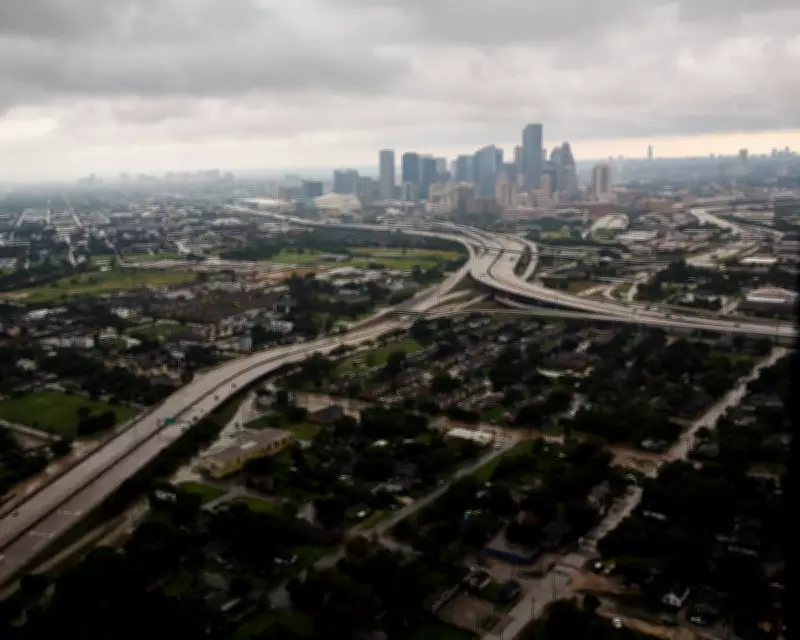
Houston receives an average of 12cm more rain a year than its surrounding rural hinterland. And Houston is not alone. As well as being urban heat islands, rainfall data shows that the world's largest cities tend also to be 'urban wet islands'. Now new research shows much of this extra rain falls as light drizzle and that the urban wet island effect has strengthened over the last two decades.
How Urban Landscapes Create Rain
From air pollution to high-rise buildings and miles of roads, urban landscapes alter the air flow and heat absorption, creating their own warmer and wetter local climate. Mingze Ding, from the Ocean University of China in Qingdao, and colleagues studied satellite weather observations to understand whether extra urban rain tended to spread itself out over the year or arrive in a deluge.

Their results, published in Earth's Future, show that more than two-thirds of large cities receive more light rain than the rural surrounding area. While this regular drizzle might not be appreciated by a city's inhabitants, it helps to replenish surface water.
Regional Differences
But the effect was not even. They found that while large cities in North America, eastern Asia and western Europe all tended to receive more drizzle, large tropical cities in south and south-east Asia did the opposite and exacerbated extreme rainfall events.