In the heart of spring, a familiar sound echoes through neighbourhoods: not just the buzz of bees or the chirp of birds, but the rumble of machinery tearing up gardens. Across Britain, green spaces are being stripped bare, replaced by paving and fences, a trend that threatens the very ecosystems thriving in our backyards.
The Disappearing Garden Oasis
Recent audits reveal a startling reality: nearly half of Britain's garden space is now paved over. Front gardens once dotted with mossy grass and wildflowers are succumbing to concrete driveways, while hedges and bushes are ripped out in favour of tidy timber barriers. This transformation isn't merely aesthetic; it's an ecological crisis in miniature.
A Symphony of Life in Chaos
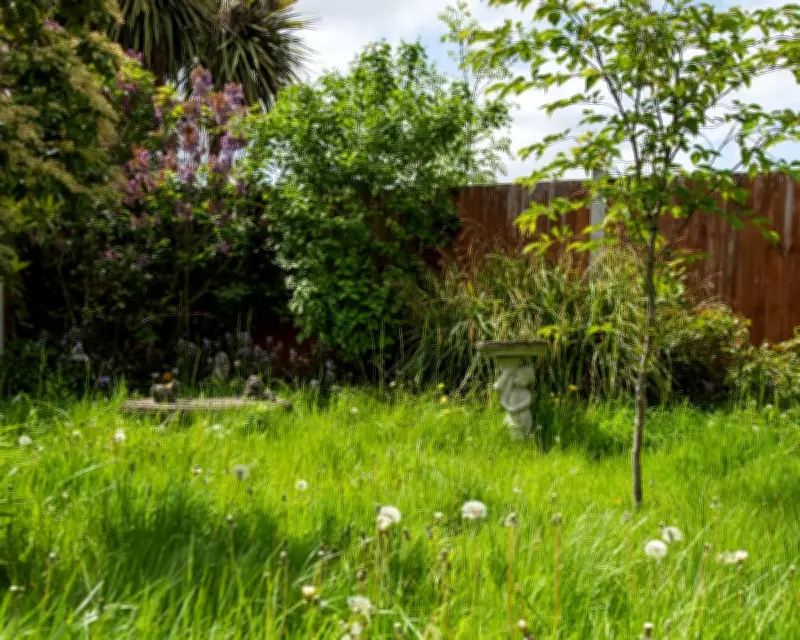
Contrary to popular belief, a messy garden is a vibrant one. Dandelions and thistles, often dismissed as weeds, are vital sources of nectar and pollen for bees. Straggly, unkempt grass provides essential food for caterpillars, which in turn sustain butterfly populations. Even bald patches of earth serve a purpose, offering nesting sites for mining bees.

Birds, too, thrive in these untamed spaces. They line their nests with moss from neglected lawns and feast on aphids thriving in overgrown hedges. As Sir David Attenborough highlights in his series Secret Garden, these urban oases can be "almost as diverse as a tropical rainforest," supporting over 50% of the nation's butterflies, amphibians, and reptiles.
The Mental Shift: Finding Beauty in Neglect
The challenge isn't just physical; it's psychological. Society often pressures homeowners to maintain pristine, manicured lawns, viewing wild gardens as unsightly. Yet, conservationists argue that doing nothing might be the most beneficial action. Letting brambles tangle, nettles spread, and leaves drift creates havens for wildlife.
This doesn't require extensive resources or time—simply a shift in perspective. Embracing the ordinary magic of life means resisting the urge to tidy and pave, allowing nature to reclaim its space. As one columnist poignantly notes, "God forbid your grandkids should see butterflies" if we continue this trend.
A Call to Action
With biodiversity at risk, the message is clear: every patch of green matters. Whether it's a sprawling backyard or a modest corner, leaving it wild can make a difference. Perhaps it's time for a new episode in conservation storytelling, showcasing how even the most neglected gardens pulse with life. After all, in the chaos of growth lies the true glory of a garden.