Labour's Wind Farm Deals Spark Fears for Wales' Cambrian Mountains
In the remote landscapes of mid-Wales, the Cambrian mountains stand as a vast wilderness, often overlooked in favour of more accessible national parks like Eryri (Snowdonia) and the Brecon Beacons. This omission, dating back to the 1950s when official designations were made, is now poised to lead to what critics describe as an environmental disaster. With the lifting of the ban on onshore wind turbines by Energy Minister Ed Miliband, private companies are eyeing this pristine area for massive wind energy projects.
The Scale of the Proposed Developments
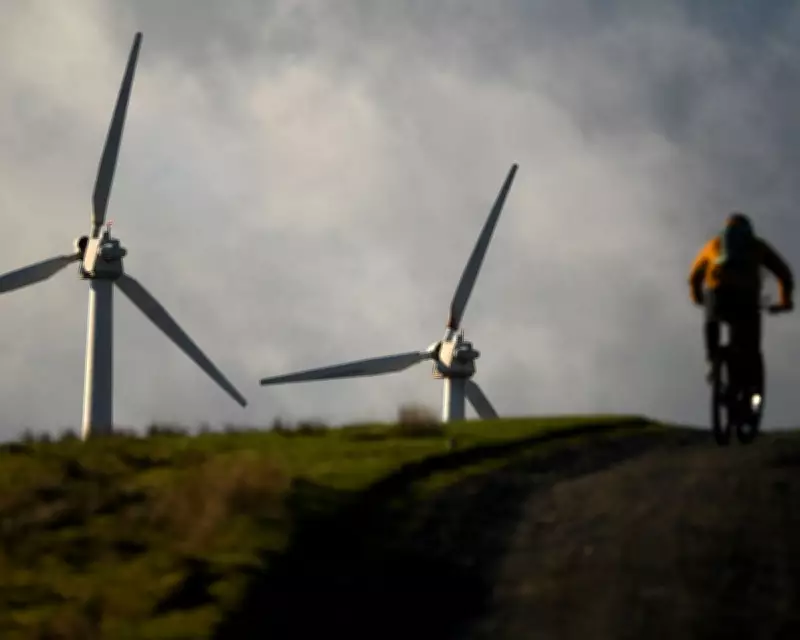
The proposals involve more than a hundred gigantic wind turbines, some reaching heights of 220 to 230 metres—taller than any currently in England and Wales, and more than double the height of Big Ben. Each turbine would require an enormous pit filled with a 2,000-tonne concrete foundation, consuming at least 100 tonnes of steel, alongside infrastructure like roads, repair facilities, and storage warehouses. Additionally, over 200km of pylons are planned to connect to the National Grid, raising concerns about the carbon costs of construction, given turbines have an estimated lifespan of only 20 to 25 years.
Local Opposition and Environmental Concerns
Local protests have been vocal, with the Wild Wales Trust warning that these projects would "degrade and industrialise huge areas of the uplands and valleys." They highlight that some sites infringe on Wales' only Unesco biosphere in the Dyfi valley. The Campaign for the Protection of Rural Wales also strongly opposes the plans, while the Welsh Greens face a dilemma, torn between supporting wind power and protecting natural beauty. The Cambrian mountains, with few residents to defend them, see hand-drawn notices pleading for reprieve on hills like the Glaslyn uplands, where 26 turbines are proposed, visible across Wales.

Historical Context and Energy Implications
Were these proposals in a designated national park, they would be unthinkable. The Cambrians' lack of protection stems from historical local opposition to designation and Wales' political indifference to visual beauty. Moreover, Wales is making progress towards renewable self-sufficiency and is a net energy exporter, meaning these turbines would primarily supply the rest of the UK. This echoes past controversies, such as the flooding of Welsh valleys in the 1960s to provide water for Liverpool, raising questions about fairness and environmental sacrifice.
Critics argue that wind turbines could be placed anywhere with sufficient wind, and targeting this glorious swathe of rural Britain to meet political ambitions is misguided. The potential damage to the landscape is described as obscene, with beauty spots like the Artists Valley facing transformation by ranks of turbines. As debates rage, the future of the Cambrian mountains hangs in the balance, highlighting tensions between renewable energy goals and wilderness preservation.