Bison Herd Transforms Kent Woodlands, Boosting Wildlife and Climate Resilience
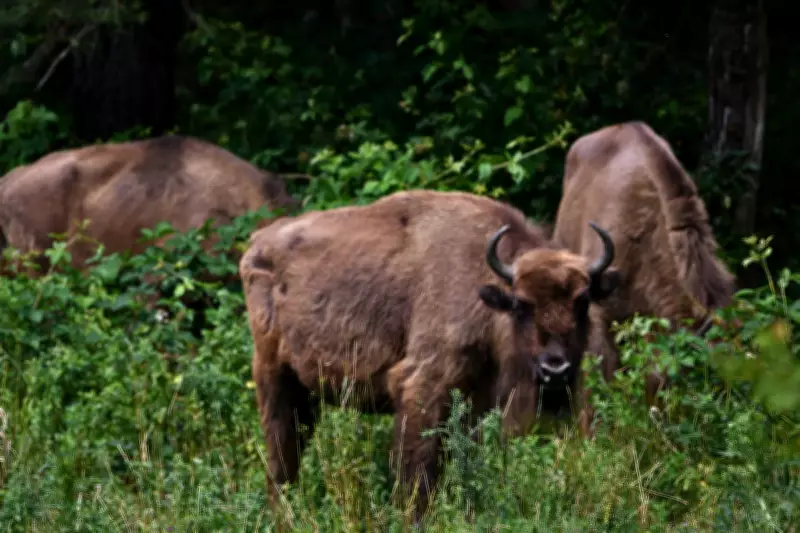
A herd of European bison introduced to Blean Woods in Kent is having a profound and positive impact on woodland habitat management and regeneration. The project, spearheaded by Kent Wildlife Trust and Wildwood Kent, aims to restore complex habitats, enhance nature's resilience to climate change, and store carbon effectively.
Natural Behaviours Driving Ecological Change
The bison's natural behaviours, including grazing and felling trees, are opening up the woodland canopy. This process allows for significant woodland regeneration and creates new spaces for diverse wildlife to thrive. By mimicking historical ecosystem processes, the bison are helping to recreate a more natural and resilient forest environment.
Expansion Through Bison Bridges
New infrastructure known as "bison bridges" is currently being implemented to expand the herd's roaming area to an impressive 200 hectares. Two of these bridges have already been completed, with two more planned for construction by the end of the year. This expansion will provide the bison with greater space to roam and further enhance their positive impact on the woodland ecosystem.

Funding and Broader Impact
The bison initiative is one of hundreds of conservation projects supported by £31 million raised by Postcode Lottery players over the past two decades. This substantial funding also covered the initial setup costs for the bison project in Kent. The success in Blean Woods demonstrates how targeted conservation efforts can yield significant ecological benefits in a relatively short timeframe.
The presence of these majestic animals is not only transforming the physical landscape but also inspiring local communities and visitors about the importance of creating and maintaining wildlife-rich habitats. As the project continues to evolve, it serves as a model for how reintroducing native species can play a crucial role in woodland management and climate adaptation strategies.