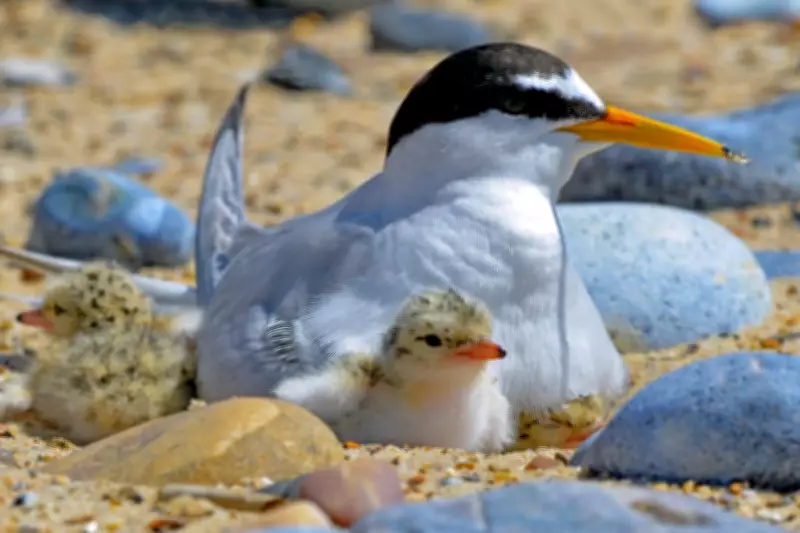
On the tidal island of Lindisfarne, also known as Holy Island, a remarkable conservation success story is unfolding. The populations of terns and plovers, two iconic shorebird species, have seen a significant resurgence thanks to dedicated protection measures implemented by local conservation groups and the National Trust.
Conservation Efforts Pay Off
The project, which began in earnest five years ago, focuses on safeguarding nesting sites from predators and human disturbance. Volunteers monitor the beaches daily, erecting temporary fences and signage to keep visitors and dogs away from vulnerable nests. The results have been striking: the number of breeding pairs of Arctic terns has doubled, while ringed plover chicks have been recorded at their highest levels in decades.
Challenges and Adaptations
Conservationists faced numerous challenges, including extreme weather events and increased tourism. Rising sea levels threaten nesting grounds, forcing birds to shift to higher ground. In response, the team has created artificial nesting platforms and restored dune systems to provide alternative habitats. Educational programs have also been launched to inform visitors about the importance of keeping a safe distance.

Community and Visitor Involvement
The local community has embraced the initiative, with many residents volunteering as wardens. Visitors are encouraged to use designated paths and viewpoints, equipped with telescopes and information boards. The project has not only benefited the birds but also enhanced the visitor experience, offering unique wildlife watching opportunities.
As the summer nesting season peaks, the island’s shores are alive with the calls of terns and the scurrying of plover chicks. Conservationists remain vigilant, but the future looks bright for these charismatic shorebirds.