With spring in full swing, it's time to go shopping for plants. While adding to or creating a garden has obvious green credentials, some plants are more sustainable than others. Whether it's hidden peat, throwaway plants, high water and energy use, transport emissions, or plastic pots that can't be recycled, here's what to avoid – and what is better to buy instead – for a truly sustainable plot.
How to Buy Plants Sustainably
Buy Once
The right plant in the right spot will survive and thrive. Before you shop, take into account light, humidity, and either room temperature indoors or soil and aspect outside – to avoid waste and repeated buys. Popular plants for sunny, south-facing gardens include dianthus (Dianthus carthusianorum), tulbaghia (Tulbaghia violacea), and salvias (Salvia 'Nachtvlinder'). Ferns, Solomon's seal, and the ornamental grass Luzula nivea are great in shadier, north-facing spaces.
Avoid Black Plastic Pots
The black plastic pots that often come with plants can't be recycled. Instead, look for alternatives such as biodegradable coir pots. Coir is a renewable waste product, and pots made from it can be planted directly into the soil with the plant. The Hairy Plant Pot Company offers a range of plants in 'hairy' coir pots, such as Polemonium 'Bressingham Purple', Salvia 'Caradonna', and Nepeta 'Six Hill's Giant', as well as a selection of herbs. Before plastic pots were commonplace, perennials were sold pot-free; some retailers offer perennial bare-root plants, which often come packaged in paper.

Choose Plants That Last
Skip 'bedding' plants, which are resource-hungry and designed to be disposable. Instead, opt for perennials, shrubs, and trees that return year after year. Agastache, heleniums, anemones, astrantia, gaura, sanguisorba, and achilleas – as well as shrubs and small trees, such as correa and Amelanchier (snowy mespilus) – are all beautiful and sustainable choices. If you want annuals like cosmos, calendulas, petunias, and sunflowers, grow them yourself from seed.
Start Small
A small plant in a small (9cm) pot establishes more reliably and easily in the garden than a large plant of the same variety, and will require less watering. Smaller plants experience less transplant stress, so they settle in quickly and extend their roots into the soil more easily. One good watering when a small plant first goes into the soil will set it up for life. Larger plants need weeks of watering, especially in summer.
Watch Out for Peat
The extraction of peat destroys peatland, damaging habitats and ecosystems, and releasing stored carbon. Fortunately, garden centres, DIY, and online stores stopped selling peat compost a few years ago, but 60% of the plants sold in the UK still begin life as peat-grown plug plants. Track down nurseries that are 100% peat-free on the RHS website, which includes brick-and-mortar and online shops. Alternatively, buy from an independent nursery, such as Great Dixter or Special Plants, which grows all its own plants on site.
Buy Online
Buying plants online is a great car-free option, especially if you can consolidate purchases into as few deliveries as possible. Minimal packaging is key, especially if it's compostable or recyclable, including the parcel tape and label. Crocus offers a comprehensive selection of trend-led plants in cardboard packaging. Beth Chatto Nursery sells plants individually wrapped in newspaper.
Buy Plants as Seeds
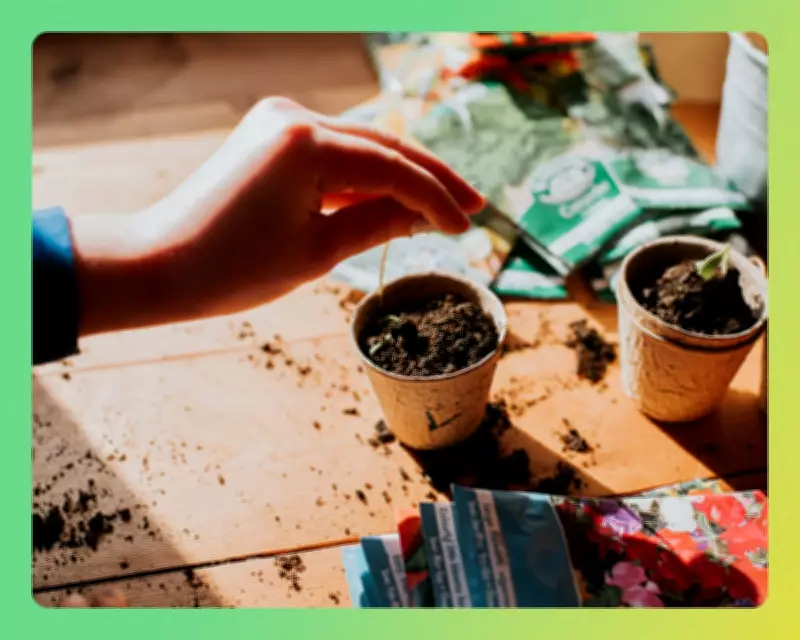
If you're planning to buy annuals or edibles such as tomatoes, which complete their lifecycle in a year, buying them as seeds is the most sustainable choice. Seeds are lightweight to transport, require minimal packaging, and a large number of plants can be raised from a single packet. A seed will adapt to your soil from the moment it germinates, leading to a robust, healthy plant, and it's a fantastic way to access a greater choice of varieties. Try the tomato Costoluto Fiorentino, a delicious Italian variety that copes well with British weather, and Scabiosa atropurpurea 'Snowmaiden', which has gorgeous white pincushion flowers. For seed sowing, wool pots are natural and compostable, made from waste wool, supporting British farmers.

Pick Perennial Bulbs
If you missed the autumn bulb-planting window and are buying bulbs in containers for a hit of glorious late spring colour, choose perennial bulbs that will flower again in future years. Most tulips are annuals and flower just once, but varieties such as Spring Green, Green Mile, and Artist tulips (identifiable by the green stripe on their petals) are reliably perennial. Alliums and fritillarias are also lovely options and long lived. They work well in planted containers.
And Finally … Ask Questions
The illegal, wild collection and trade of indoor plants is a conservation issue. Always buy houseplants from reputable shops, garden centres, and online stores that can tell you where the plant has come from. Luckily, most readily available indoor plants aren't poached, but there are a few species which are massively affected. Try Grow Urban, which specialises in bringing all things botanical to city dwellers, or the Glasshouse, an initiative that promotes environmentally and socially responsible growing. The latter sells houseplants propagated in the UK by female prisoners approaching release, equipping them with horticulture and retail skills and assuring the provenance of the plants.
For more outdoor inspiration, explore our guides on creating a nature-friendly garden and the best places to buy plants online.