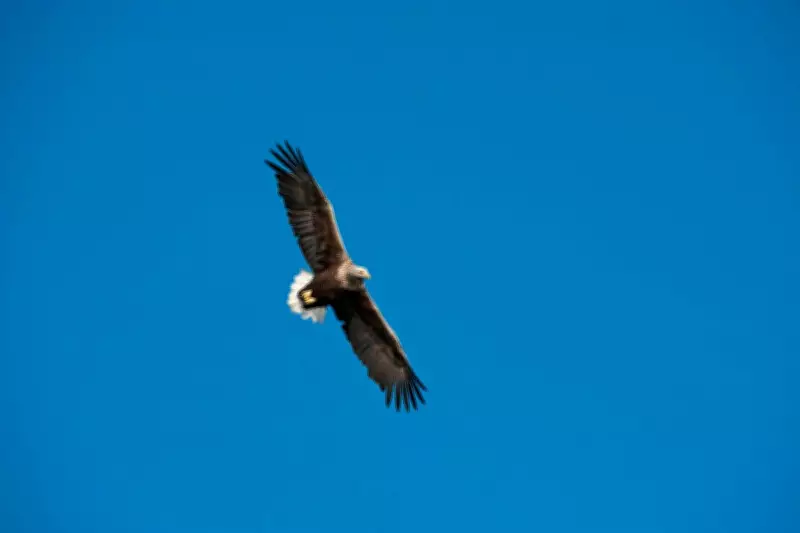
The government has unveiled plans to reintroduce the white-tailed eagle, the UK's largest bird of prey, to Exmoor National Park in southern England. Up to 20 young birds are set to be released over a three-year period, marking a significant step in restoring the species to a region where it has been extinct for over two centuries.
Building on Success
This initiative builds on a successful project led by Forestry England and the Roy Dennis Wildlife Foundation. Since 2019, these organisations have been reintroducing white-tailed eagles on the Isle of Wight, with the aim of re-establishing a breeding population in southern England. The species was driven to extinction in the 18th century due to widespread persecution.
Licences Approved
Natural England has granted licences for releases from both Exmoor and the Isle of Wight this summer. Exmoor was chosen to boost population numbers and expand the species' breeding range into south-west England, an area where white-tailed eagles historically nested along the coastline.

Progress on the Isle of Wight
Since the Isle of Wight project began, 45 young white-tailed eagles have been released. In 2023, the first chick was born in the wild in England for over 240 years, and an additional five chicks have been born since. These successes demonstrate the potential for the species to thrive again in southern England.
Addressing Concerns
Despite some concerns from farmers about potential predation on livestock, a study of the Isle of Wight birds' diet has provided reassurance. The research found that the eagles primarily feed on cuttlefish, rabbits, fish, and other birds, indicating no significant conflicts with farming practices.
The reintroduction programme aims to restore a species that was once a common sight along England's coasts, and the Exmoor releases represent a crucial step towards achieving that goal.