Festival Urine Transformed into Fertiliser for Welsh Forest Project
In an innovative environmental initiative, scientists are utilising fertiliser created from urine collected at music festivals to cultivate up to 4,500 native trees within a Welsh national park. This groundbreaking project represents a significant step towards sustainable forestry practices and waste reduction.
From Festival Toilets to Forest Fertilisation
The Bristol-based start-up NPK Recovery has developed a specialised fertiliser using urine gathered from a toilet block serving 700 revellers during the Boomtown Festival in Hampshire last July. During the 2025 event, this collection process yielded 540 litres of fertiliser product that will now be applied to tree growth efforts.
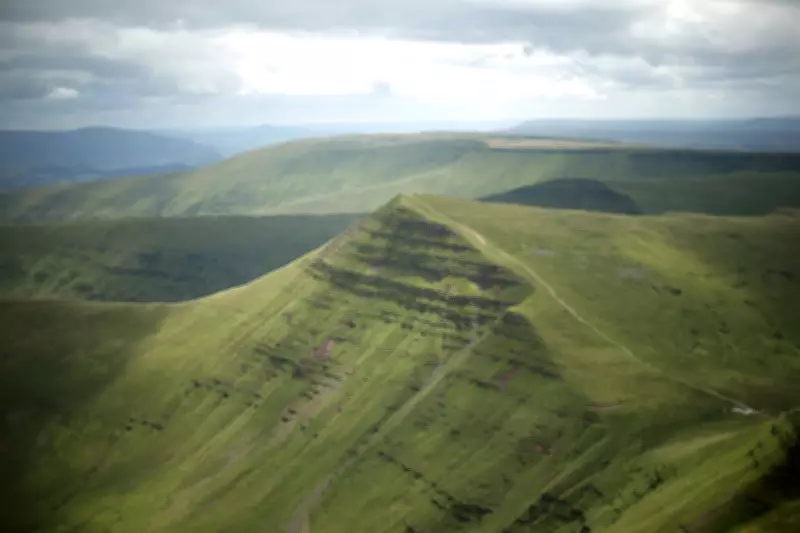
The target location for this unique fertilisation project is the edge of Bannau Brycheiniog, commonly known as the Brecon Beacons in Wales. The initiative officially launched on Thursday morning with the planting of a Scots pine seed at the designated site, symbolising the beginning of this three-year endeavour.

Circular Economy Solution for Forestry
Lucy Bell-Reeves, co-founder of NPK Recovery, emphasised the circular economy benefits of their approach. "Using a waste product to grow trees is a circular solution that can revitalise our struggling native species," she explained. "We need to stop flushing crop and tree-growing nutrients down the loo and start using them to increase our fertiliser security."
Bell-Reeves added with characteristic enthusiasm: "After all, we're not about to run out of urine any time soon. I love the idea that by the end of this three-year project, revellers will have created a fledgling Welsh forest, which could flourish for hundreds of years."
Previous trials have demonstrated that NPK Recovery's urine-based fertiliser performs as effectively as conventional alternatives. However, this Welsh project marks the first application specifically for tree cultivation, expanding the potential uses for this sustainable product.
Technical Process and Previous Successes
The company employs a sophisticated biological process that uses bacteria to extract nitrogen and other naturally occurring nutrients from urine, resulting in a liquid fertiliser that is completely odour-free. NPK Recovery operates a mobile laboratory that can be transported directly to events, enabling immediate on-site processing of collected urine into usable fertiliser.
This isn't the company's first venture into large-scale urine collection. In April of last year, NPK Recovery gathered 1,000 litres of urine from women's urinals at the TCS London Marathon, which was similarly converted into fertiliser product. These successful collections demonstrate the scalability of their approach to managing human waste at major events.
Collaborative Conservation Efforts
For the Welsh forest initiative, NPK Recovery has partnered with the charity Stump up for Trees, which was co-founded by author and cyclist Rob Penn. Over the past five years, this organisation has planted more than 500,000 trees in the region, representing significant progress toward their ambitious goal of one million trees for landscape restoration.
Penn expressed considerable excitement about the collaboration: "We are very excited to be involved in this ground-breaking project, which has implications for the future of sustainable forestry. As a small charity, collaboration is essential and we are chuffed to be working with NPK Recovery, who are bringing innovation to an area of industry that needs it."
Funding and Future Implications
The project has received substantial financial backing through a £435,627 grant from the Forestry Commission, awarded via the Tree Production Innovation Fund. This support underscores the official recognition of the initiative's potential contributions to sustainable forestry practices.
Beyond the initial festival collection, urine from additional sources will be incorporated throughout the three-year project duration. This multi-source approach ensures a consistent supply of raw material for fertiliser production while maximising the environmental benefits of waste diversion.

The initiative represents a creative convergence of waste management, agricultural science, and conservation efforts. By transforming what is typically considered waste into a valuable resource for tree growth, the project offers a model for sustainable practices that could be replicated in other conservation contexts worldwide.