Lab Glove Contamination Theory Challenges Microplastic Research Accuracy
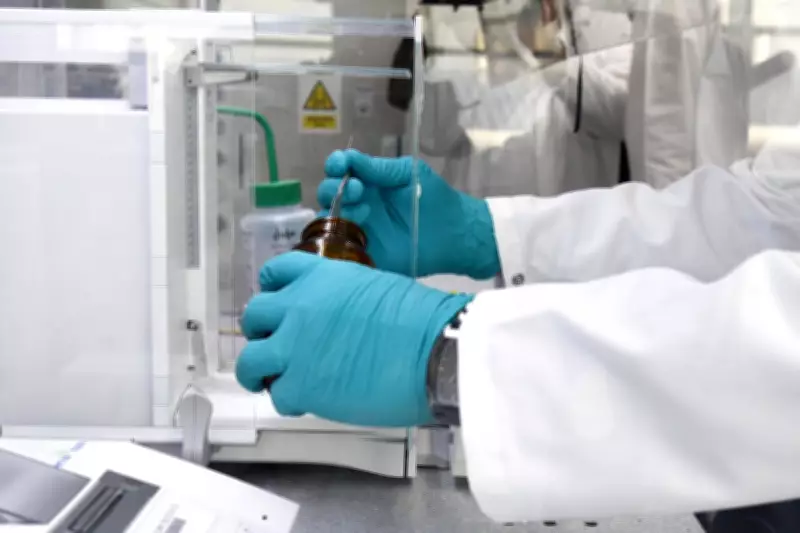
A groundbreaking study has cast significant doubt on the reliability of numerous microplastic investigations, suggesting that compounds from laboratory gloves may be contaminating samples and inflating results. The research, conducted by scientists at the University of Michigan and published by the Royal Society of Chemistry, proposes that tiny residues from gloves could be misinterpreted as polyethylene microplastics during standard testing procedures.
Potential Overestimation of Environmental and Human Contamination
For years, alarming reports have documented the pervasive presence of microplastics—particles smaller than five millimetres—in diverse environments and human systems. These findings have included discoveries in rivers, soil, Antarctic ice, and even human blood, urine, breast milk, and brain tissue, with some estimates suggesting contamination levels equivalent to a teaspoon of plastic in human organs.
However, the new research indicates that much of this data may be compromised by laboratory contamination. The study reveals that stearate salts, microscopic compounds transferred from laboratory gloves to surfaces during handling, possess chemical structures remarkably similar to polyethylene microplastics. This similarity causes common analytical techniques, particularly infrared spectroscopy, to struggle with accurate differentiation between the two substances.

Scientific Methodology Under Scrutiny
Professor Anne McNeil and researcher Madeline Clough, who led the investigation, explained their findings in detail. "Our team found that, even when following established protocols, using certain methods to measure environmental microplastics can potentially contaminate the results," they stated. "As a result, much of this research may be overestimating the number of microplastics present in samples."
The researchers conducted experiments demonstrating that simple contact with laboratory gloves could produce false positive readings at alarming rates—up to 2,000 particles per square millimetre. This means surfaces might appear heavily contaminated with plastic when they have merely been handled with standard laboratory gloves, rather than actually containing significant microplastic pollution.
Implications for Pollution Research and Policy
Despite these revelations, the scientists emphasized that their findings do not negate the widespread reality of plastic pollution. Microplastics remain a genuine environmental and health concern, with small plastic particles ubiquitous in modern environments and human exposure inevitable. The research simply highlights that laboratory gloves have previously escaped suspicion as potential contamination sources and may be contributing to inflated measurements.
The study notes that laboratories are becoming increasingly aware of such contamination risks, with many now employing multiple analytical techniques on the same samples to cross-verify results. Researchers hope this awareness will lead to the development of standardized operating procedures specifically designed for analysing microplastics in human tissues and other biological samples, ensuring greater accuracy in future studies.
This development comes at a critical time, as international negotiations continue in Geneva regarding a global plastics treaty. Accurate scientific data about microplastic contamination levels is essential for informing effective environmental policies and public health measures worldwide.