Thailand's Tiger Kingdom Outbreak: 72 Tigers Die Amid Virus Fears
A highly contagious virus is suspected to have caused the deaths of 72 captive tigers in northern Thailand this month, with officials scrambling to contain the outbreak and prevent further fatalities. The incident has sparked alarm over wildlife health protocols and the management of captive animals in tourist attractions.
Urgent Response and Disinfection Efforts
Teams are racing to disinfect enclosures and prepare vaccinations for surviving tigers at the affected facilities. The exact cause of the deaths remains under investigation, but initial reports point to a combination of viral and bacterial infections.
According to a statement from the government’s region 5 livestock office in Chiang Mai, the tigers were infected with canine distemper virus, with veterinarians also identifying mycoplasma bacteria as a secondary infection. However, conflicting information emerged when Somchuan Ratanamungklanon, director general of the department of livestock development, told Thai outlet Matichon that the tigers had contracted feline panleukopenia.

Challenges in Treating Wild Animals
Somchuan highlighted the difficulties in treating tigers compared to domestic pets. "Treating sick tigers is very different from treating dogs and cats. Dogs and cats live closely with us, so when they show symptoms, we can respond and provide treatment right away. Tigers, however, aren’t living closely with humans. By the time we notice that something is wrong, the illness may already be advanced," he explained.
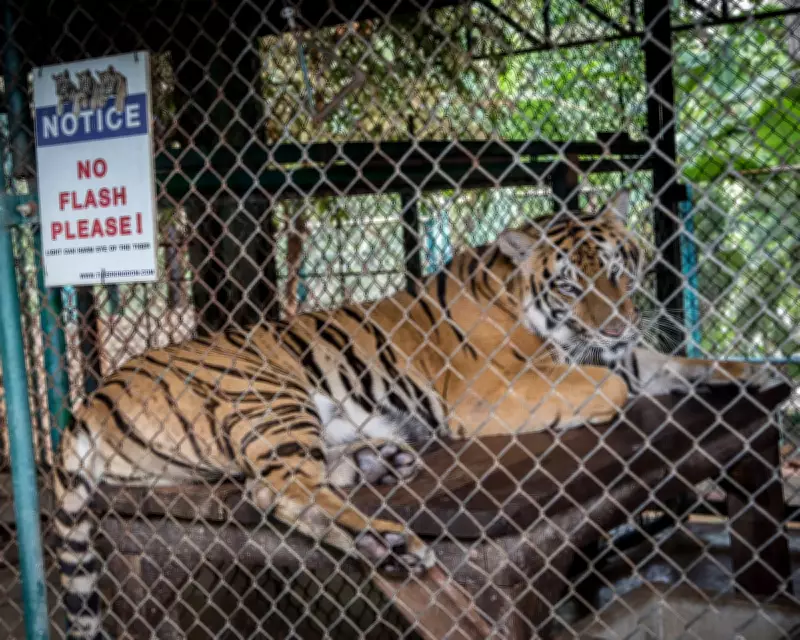
The outbreak has impacted two districts in Chiang Mai: the mountainous regions of Mae Rim and Mae Taeng. Dozens of tigers first exhibited signs of illness on 8 February, as reported by Thai media, leading to the temporary closure of Tiger Kingdom Chiang Mai, a popular tourist destination known for allowing visitors to interact closely with the animals.
Historical Context and Conservation Concerns
Kritsayarm Kongsatri, director of the wildlife conservation office in Chiang Mai, described the number of deaths as "very unusual", underscoring the severity of the situation. This incident echoes past tragedies, such as the 2024 bird flu outbreak in Vietnam that killed 47 tigers and three leopards, and a 2004 bird flu episode in Thailand's Sriracha tiger zoo, where 147 of 441 tigers died or were euthanised due to infection risks linked to contaminated chicken carcasses.
As authorities continue their investigation, Tiger Kingdom Chiang Mai has not provided immediate comment. The outbreak raises critical questions about animal welfare, disease prevention in captive settings, and the broader implications for wildlife conservation efforts in the region.