California's Premier Seal Sanctuary Closes Tours Amid Mysterious Animal Deaths
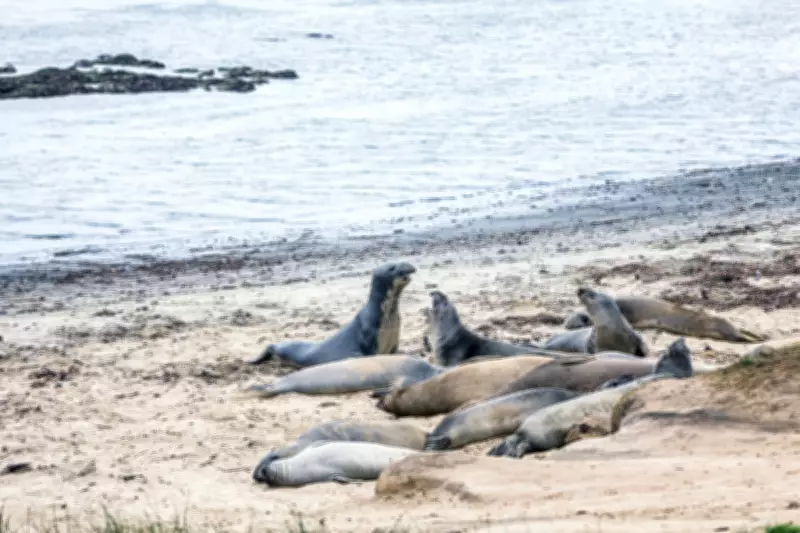
California wildlife officials have taken the extraordinary step of suspending all guided seal viewing tours at Año Nuevo State Park following the discovery of multiple sick and deceased animals. The popular Bay Area destination, renowned for its spectacular winter gatherings of elephant seals during their annual pupping season, has canceled more than 600 tour reservations affecting over 1,200 visitors while authorities investigate the troubling situation.
Investigation Launched Into Potential Disease Outbreak
Multiple state and federal agencies have mobilized to determine the cause behind the illness and fatalities affecting what officials describe as a "small number" of adult elephant seals, weaned pups, and seabirds. Samples have been collected for laboratory testing, with avian influenza among the primary suspected pathogens under examination. Results from these crucial tests remain pending as researchers work urgently to identify the threat.
Adeline Yee, spokesperson for California State Parks, confirmed to The Independent that 134 tours and 617 reservations have been canceled through March 1, impacting 22 school groups among other visitors. The guided tours, which typically cost $11 per person, include a three-to-four-mile hike to observe and photograph the massive two-ton marine mammals in their natural habitat.

Park Operations Modified During Critical Breeding Season
Despite the suspension of seal viewing activities, certain areas of Año Nuevo State Park remain accessible to the public. Visitors can still explore the Marine Education Center, the Horse Barn Movie Theater, and portions of the Año Nuevo Point Trail, though direct observation of the seal colony itself has been temporarily restricted. Park officials have emphasized that full refunds are available for all canceled tours through the Reserve California website or by telephone.
The timing of this closure coincides with the peak of elephant seal pupping season along the California coast, which typically runs from December through March. During this critical period, female seals come ashore to give birth and nurse their pups for approximately three to four weeks, while males establish breeding territories in overlapping patterns that create spectacular wildlife viewing opportunities.
Scientific Collaboration Seeks Answers
A collaborative team of biologists and wildlife experts from multiple institutions has assembled to investigate the mysterious deaths. Researchers from University of California campuses at Santa Cruz and Davis are working alongside specialists from the California Department of Fish and Wildlife and various federal partners to analyze the situation and develop appropriate responses.
"Most seals on the beach appear healthy," reads a statement on the Año Nuevo State Park website. "Out of an abundance of caution, access is being paused to give wildlife space and allow for ongoing monitoring. Thank you for your understanding."
Historical Context and Conservation Significance
The current situation represents a concerning development for a species that has made a remarkable recovery from near-extinction. Elephant seals were heavily hunted during the late 19th century for their blubber, which was processed into oil, driving populations to dangerously low levels. Today, California's elephant seal population has rebounded to approximately 200,000 individuals, making the annual winter pupping season at Año Nuevo State Park a premier wildlife tourism destination and conservation success story.
Park officials continue to monitor the situation closely while maintaining limited public access to certain facilities. The investigation into the cause of the illnesses and deaths continues as scientists work to protect both the iconic marine mammals and public health during this developing situation.