The Viral Phenomenon of Punch the Monkey and His Ikea Djungelskog Toy
Standing in line at Ikea's Click and Collect service to retrieve a large plush orangutan, a profound sense of exhaustion envelops me. This fatigue stems not only from nearly 24 hours of travel due to flight delays but also from the poignant reason behind my journey: to obtain the toy that internet users believe has provided solace to an abandoned monkey named Punch at a Japanese zoo.
The Tragic Tale of Punch and the Surge in Djungelskog Sales
Punch, a baby Japanese macaque, has captured global attention after being abandoned by his mother and shunned by his peers. Zookeepers provided him with a stuffed Ikea Djungelskog orangutan, which he clings to desperately, offering a semblance of comfort in his lonely enclosure. Without this plush companion, Punch would face his days isolated and harassed by older monkeys.
The soft toy has mirrored its owner's viral fame, with eBay Australia reporting a staggering 650% increase in Djungelskog listings between January and February this year. Prices have soared from $33 to as high as $175. An Ikea Australia spokesperson noted a more than 200% sales spike in the past week, with over 990 units sold across stores and online.

"As global attention continues to build around Punch's remarkable story, our iconic orangutan soft toy is now experiencing unprecedented demand," the spokesperson said. "Fans should get in fast as it is selling quickly."
A Personal Quest for Comfort and Connection
Upon arriving at Ikea after a rushed trip from Sydney airport, I discovered Djungelskog was already sold out, leaving me disappointed and weary. Returning the next morning, a helpful employee brought one to my car, excitedly sharing that everyone was buying them after seeing the videos of Punch. "I was like, 'what is up with all these monkeys?' and then I saw the videos and I'm like, 'I need one'," she recounted.
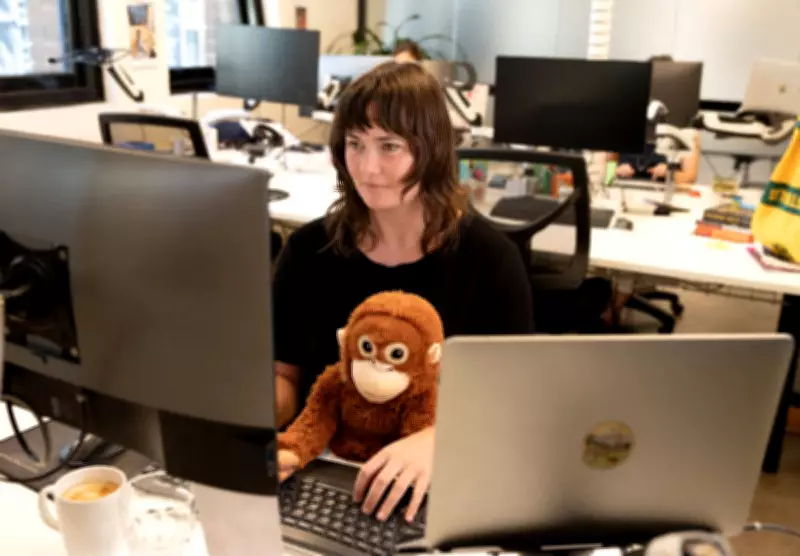
Clutching the Djungelskog and securing it in my car, I felt an immediate wave of peace, perhaps due to its large, vacant eyes. Commuting to work with the orangutan wrapped in my arms, I introduced it to my surroundings, whispering, "This is where I work! We're hopping into the lift!" Colleagues gushed over the toy, comparing the encounter to meeting a celebrity, while it sat silently by my computer all morning.
Reflections on Anthropomorphism and Animal Welfare
Despite the cuteness, watching footage of Punch with his Djungelskog evokes intense sadness. It recalls the story of Keiko, the orca from Free Willy, whose life ended tragically after failed attempts to reintegrate him into the wild. Keiko's dependence on human care highlights the complexities of anthropomorphism—attributing human emotions to animals.
Similarly, Punch's situation raises questions about his abandonment and the conditions at Ichikawa City Zoo, where reviews cite small enclosures and critiques of Japan's animal welfare laws. Our social media obsession with Punch often projects human-like qualities onto him, seeing a child playing with a toy, but he remains a wild animal whose plush companion is not real.
This phenomenon underscores a broader issue: while Djungelskog offers symbolic comfort, it cannot replace genuine care or address underlying welfare concerns. As I return home, embracing my dog—whose joyful greeting is authentic—I'm reminded that toys, however soft and endearing, cannot fulfill the deep connections we seek with living beings.