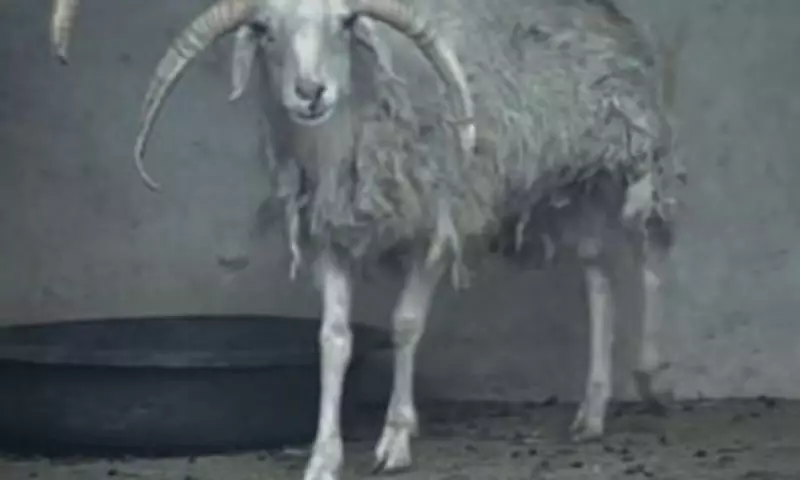
Four-Horned Sheep Becomes Viral Sensation at Remote Chinese Zoo
A rare four-horned sheep has become a major local attraction after being spotted at a zoo in China, captivating visitors with its bizarre appearance. The animal, observed at Kaili Zoo in Guizhou province on October 28, 2025, possesses four distinct horns that grow in multiple directions from its head, creating a striking and unusual spectacle.
Genetic Rarity and Conservation Status
It is believed that multi-horned sheep are exceptionally rare, likely resulting from a genetic mutation. In some regions globally, breeds of sheep with four horns are considered endangered, adding to the significance of this sighting. The scraggly mammal has attracted considerable attention from tourists who travel from far and wide to witness the peculiar creature firsthand.
The Hidden Mountain Zoo
Kaili Zoo is nestled deep in the mountains and is maintained by a solitary 70-year-old keeper. Despite covering just over 3,000 square meters, this compact facility houses more than 20 protected species, including:

- Siberian tigers
- Bengal tigers
- Vultures
- Leopards
Last year, the zoo experienced its highest visitor numbers in its ten-year history after becoming an internet sensation. This surge in popularity followed a viral video documenting a visit to the zoo, which spread rapidly across Chinese social media platforms.
Focus on Animal Welfare
What particularly struck viewers was not flashy infrastructure but the healthy appearance of the animals residing at the zoo. They appeared well-fed and active, displaying none of the repetitive pacing or agitation often associated with confined wildlife. This positive welfare observation contributed to the zoo's growing reputation.
Other Recent Mutant Animal Sightings
The four-horned sheep is not the only mutant animal to attract attention recently. In 2024, a cow with two heads was born at a farm in Kentucky, USA. The Tarter family was shocked by the bizarre birth, which they were told has odds of approximately one in 400 million.
Cassie Tarter, a 20-year-old agriculture student, described the calf: "He had two heads, four ears, four eyes, two noses, two mouths, and two tongues." She added, "He was very short-backed but he also had his spine inverted into his chest cavity. His back legs were deformed and he had a very short tail."
Short Life and Scientific Examination
The mutant cow was born at the farm in Edmonson County, Kentucky. Two-headed animals often face numerous health challenges, and although this one was born alive, it survived only briefly. In addition to an abnormal spine, the calf had:
- A cleft palate in one of its mouths
- Arthrogryposis in its legs
- An underdeveloped rectum
Despite its short life, the animal made a significant impact on Cassie and her classmates. She brought it to her physiology and reproduction class at Western Kentucky University in Bowling Green for examination. Through autopsy, they discovered its organs were perfect for a single calf, indicating it was not a case of twins that stopped developing.
Scientific Explanations and Concerns
Cassie learned that such abnormalities can occur through two primary mechanisms: DNA RNA replication errors or the incomplete absorption of twins during development. Meanwhile, scientists warn that factors like climate change, pollution, and emerging diseases could be contributing to an increase in animal abnormalities worldwide.
Global Phenomenon and Social Media Impact
Social media platforms have transformed these strange sightings into global sensations almost overnight. What was once considered unthinkable is now being observed in backyards, forests, and beaches across the planet. From land to sea, these mutant animals evoke both terror and fascination in equal measure, presenting a natural world that has never appeared more unsettling.