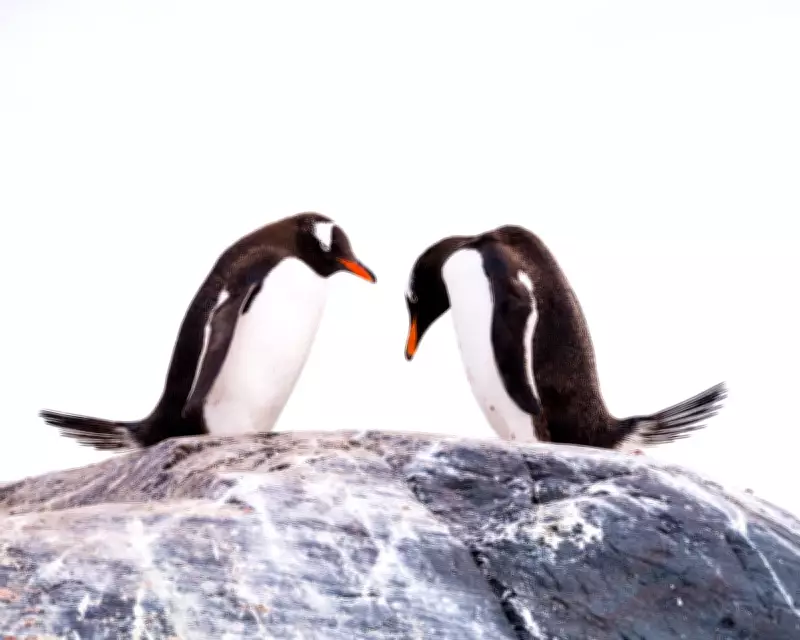
In a concerning development for global wildlife health, a significant outbreak of the highly pathogenic H5N1 avian influenza virus has been detected among gentoo penguin populations on Heard Island, a remote and uninhabited Australian external territory located in the southern Indian Ocean. This marks a critical escalation in the spread of the virus to Antarctic and sub-Antarctic regions, posing severe risks to vulnerable seabird species and broader ecosystem stability.
Outbreak Details and Immediate Impacts
The infection was confirmed through laboratory testing conducted by Australian environmental authorities, who have been monitoring the situation closely due to the island's status as a UNESCO World Heritage site and its rich biodiversity. Initial reports indicate that multiple gentoo penguins have shown symptoms consistent with H5N1, including respiratory distress, neurological issues, and high mortality rates. The outbreak is believed to have been introduced by migratory birds, which can carry the virus over vast distances, highlighting the interconnected nature of avian flu transmission across continents.
Conservation Concerns and Ecological Ramifications
Gentoo penguins, known for their distinctive white head patches and red-orange bills, are a key species in the sub-Antarctic ecosystem, playing vital roles in nutrient cycling and food webs. The H5N1 virus, which has caused devastating outbreaks in poultry and wild birds worldwide, is particularly alarming in this context due to its high virulence and potential to decimate penguin colonies. Scientists warn that if left unchecked, the outbreak could lead to population declines, disrupt breeding seasons, and have cascading effects on other wildlife, such as seals and other seabirds that share the habitat.

Heard Island's isolation and harsh climate complicate response efforts, as limited human presence and logistical challenges hinder rapid intervention. Australian officials are coordinating with international conservation groups to assess the scale of the outbreak and implement containment measures, such as monitoring bird movements and restricting access to affected areas to prevent further spread. However, the remote location makes it difficult to deploy vaccines or conduct large-scale culls, raising questions about the feasibility of traditional disease control strategies in such environments.
Global Implications and Future Monitoring
This incident underscores the growing threat of H5N1 and other avian influenza strains to polar and sub-polar regions, which are increasingly vulnerable due to climate change and shifting migration patterns. Researchers emphasize the need for enhanced global surveillance and collaborative research to track virus evolution and understand its transmission dynamics in extreme environments. The outbreak on Heard Island serves as a stark reminder of the fragility of remote ecosystems and the urgent need for proactive conservation policies to protect endangered species from emerging infectious diseases.
In the coming months, ongoing studies will focus on genetic sequencing of the virus to determine its origin and potential mutations, as well as assessing long-term impacts on gentoo penguin populations. Public health authorities have assured that the risk to humans remains low, as H5N1 primarily affects birds, but they continue to advise caution and hygiene practices for those working in or visiting affected regions. As the situation evolves, the international community is called upon to support conservation efforts and invest in wildlife health initiatives to mitigate future outbreaks.