Deadly Militia Assault on Upemba National Park Kills Conservationists in DRC
In a harrowing dawn raid on March 3, 2024, heavily armed fighters stormed the headquarters of Upemba National Park in the Democratic Republic of Congo, resulting in the deaths of seven individuals, including five civilians. Survivors recount a scene of chaos as up to 80 assailants encircled the Lusinga base, unleashing machine-gun fire and overwhelming the park's rangers within half an hour.
The attack targeted rangers and staff, with looters seizing weapons and conducting door-to-door searches for specific victims. Among the slain was Dr. Ruth Osodu, a 28-year-old veterinarian who had recently joined the park to monitor animal populations. Her uncle, François Kitoko, described her as someone who "gave her life to protect the richness of Congo," highlighting the tragic loss of a dedicated conservationist.
Details of the Assault and Its Aftermath
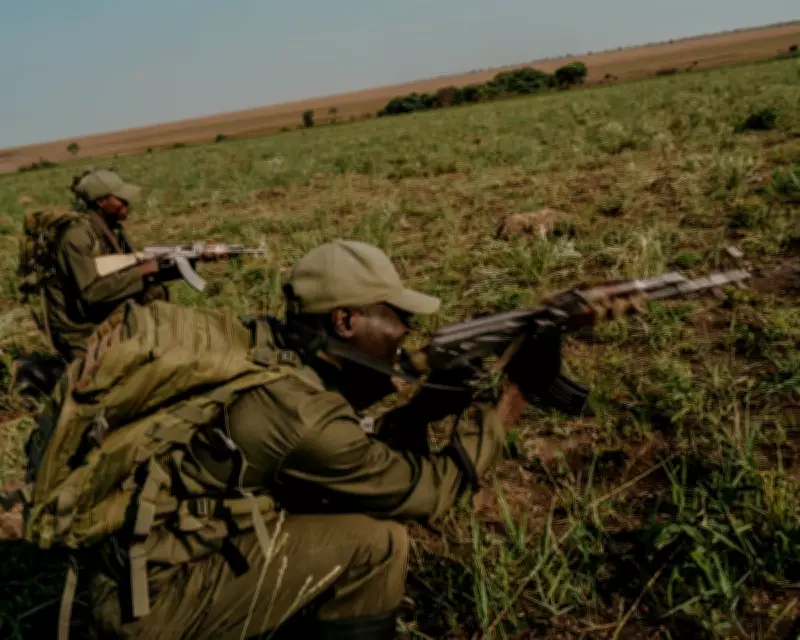
According to eyewitness accounts, the attackers were divided into two groups: a larger, unruly faction likely from the Bakata Katanga militia, and a smaller, highly trained commando unit equipped with advanced weaponry. The commandos reportedly had precise orders to kill rangers and individuals from Kasai, the home region of President Félix Tshisekedi.

Despite warnings received earlier that morning, nearby Congolese soldiers arrived only after the killings had concluded, leaving the park's defenders vulnerable. Upemba's deputy director, Innocent Mburanumwe, who was present during the briefing, stated, "We tried to fight back, but they dominated us. It was horrible."
Conservation Success Under Threat
Upemba National Park, spanning 1.3 million hectares, is a critical sanctuary for threatened species such as the DRC's last wild zebra herd and remaining elephants in the south. In recent years, it had emerged as a conservation success story, with increased funding and recovering animal populations after decades of poaching.
However, the park's 256 rangers, many nearing retirement, are trained primarily for anti-poaching operations, not to combat militia groups. The assault has raised fears about the safety of staff in an increasingly volatile region, with potential links to the ongoing conflict with Rwanda-backed M23 rebels in eastern DRC.
Response and Rebuilding Efforts
The International Union for Conservation of Nature condemned the attack, emphasizing the risks faced by rangers worldwide. Park director Christine Lain, who survived by hiding in a roof space, is now focused on rebuilding, stating, "We have to start again from scratch. We keep going." The incident underscores the deadly challenges confronting wildlife protectors in conflict-ridden areas, threatening conservation progress in one of Africa's most biodiverse regions.