Shark Filmed in Antarctic Waters Overturns Scientific Beliefs
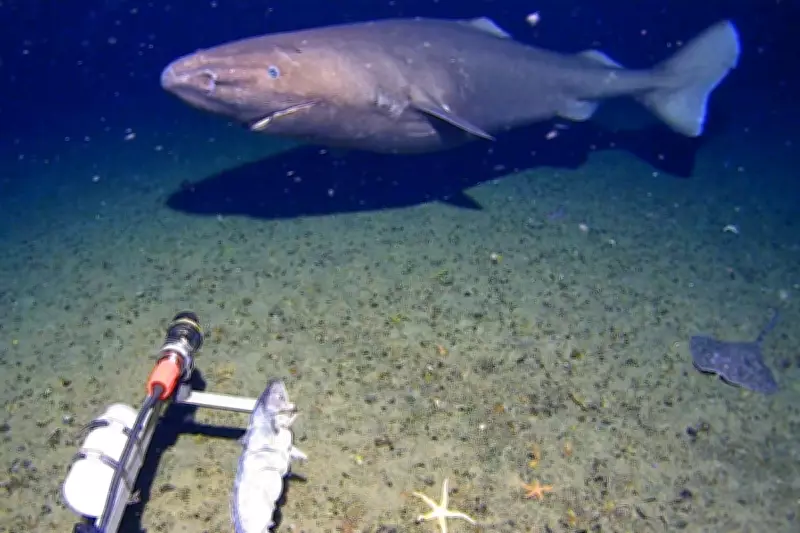
In a groundbreaking discovery, a sleeper shark was filmed in the Antarctic Ocean in January 2025, directly challenging long-held scientific beliefs that sharks do not inhabit these frigid waters. The footage, captured by researcher Alan Jamieson from the Minderoo-UWA Deep-Sea Research Centre, reveals a substantial shark estimated to be between 3 and 4 metres long.
Unprecedented Sighting in Extreme Conditions
The shark was observed at a depth of 490 metres off the South Shetland Islands, within the Antarctic Ocean, where the water temperature was a near-freezing 1.27 degrees Celsius. Experts confirm this is the first recorded instance of a shark being found so far south, overturning prior understanding of the region's biodiversity and marine life distribution.
This discovery marks a significant shift in marine biology, as it suggests that sharks may have a broader range than previously thought, extending into some of the coldest and most remote parts of the world's oceans.

Potential Factors Behind the Sighting
While climate change could be a contributing factor, scientists propose alternative explanations. These slow-moving sharks may have long been present in the Antarctic Ocean but remained unnoticed due to the area's extreme remoteness and the limited scope of deep-sea research conducted there.
- The shark's ability to survive in such cold temperatures raises questions about its physiological adaptations.
- Limited historical data on deep-sea ecosystems in Antarctica has likely obscured previous shark populations.
- Future research will focus on whether this is an isolated incident or part of a larger, undiscovered shark habitat.
The findings highlight the need for increased exploration and monitoring of polar regions, as they may hold untapped insights into marine biodiversity and the impacts of environmental changes.