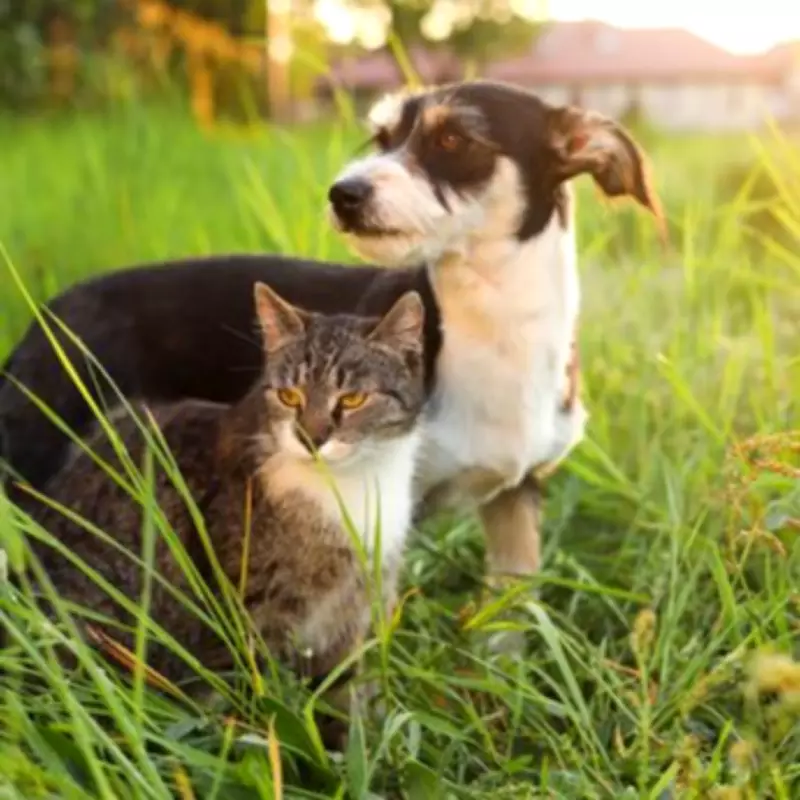
For garden enthusiasts who share their outdoor spaces with beloved pets, the arrival of spring brings both joy and hidden dangers. While creating a vibrant floral display is a seasonal delight, many popular spring plants contain toxins that can seriously harm dogs and cats if ingested. Veterinary specialists are issuing urgent warnings to pet owners about common garden flowers that pose significant health risks to animals.
The Hidden Dangers in Your Garden
Most pet owners recognize that lilies are highly toxic to animals, but numerous other spring favorites present equally serious threats. According to conservation scientist Dr. Emily Attlee, co-founder of Seedball, many gardeners unknowingly plant species that can cause digestive distress, skin irritation, or even fatal cardiac problems in pets. "Ensuring your garden is safe for animals requires careful plant selection," Dr. Attlee emphasizes. "The wrong choices can lead to emergency veterinary visits or tragic outcomes."
Daffodils: A Common Threat
Dr. Attlee identifies daffodils as particularly hazardous for both dogs and cats. These cheerful yellow flowers contain lycorine, a compound that causes severe digestive upset when consumed. "The bulbs are especially dangerous," she explains. "If your pet tends to dig or nibble on plants, it's best to avoid daffodils entirely in gardens where animals roam freely."

Instead, Dr. Attlee recommends planting cowslips as a safe alternative. These stunning yellow blooms, common across the English countryside, emit a sweet apricot fragrance and pose no threat to pets. Cowslips provide similar visual appeal without the associated risks.
Foxgloves: Beautiful but Deadly
The trumpet-shaped flowers of foxgloves may enhance garden aesthetics, but they contain cardiac glycosides that can prove fatal to animals and humans alike. These compounds disrupt heart muscle function, making foxgloves one of the most dangerous plants for pet owners to cultivate.
As a non-toxic substitute, Dr. Attlee suggests red campion. This attractive perennial produces striking red flowers from late spring through summer, offering long-lasting color without endangering animal companions.
Oxeye Daisies: Pollinator-Friendly but Problematic
While oxeye daisies support pollinator populations with their fast-growing wildflower blooms, they can trigger stomach problems in pets. For gardens designed with animal safety in mind, these plants should be avoided despite their ecological benefits.
Cornflowers serve as an excellent alternative, providing equally vibrant blue blooms that attract pollinators while remaining completely safe for pets. Their bright coloration creates stunning visual displays without compromising animal welfare.
Creating a Pet-Safe Garden
Dr. Attlee stresses that pet-friendly gardening doesn't require sacrificing beauty or ecological value. "By selecting appropriate species, you can create a stunning flowering garden that supports wildlife while keeping pets protected," she notes. The key lies in researching plant toxicity before purchasing and planting.
Gardeners should also consider their pets' specific behaviors—animals that dig or chew plants require extra precautions. Regular monitoring of garden areas and prompt removal of any fallen plant material can further reduce risks. With careful planning, spring gardens can become safe havens where both plants and pets thrive harmoniously.