Mexico's President Explores Fracking to Boost Energy Independence
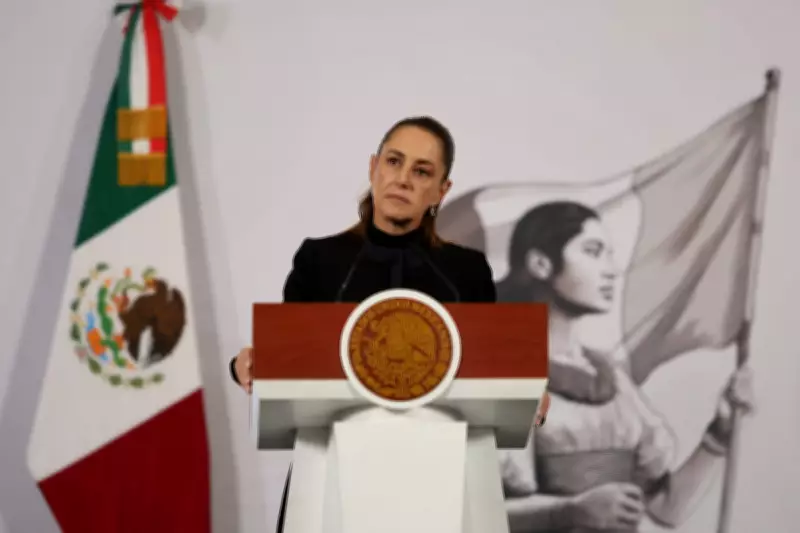
Mexican President Claudia Sheinbaum has unveiled a strategic initiative to develop unconventional natural gas reserves within Mexico, targeting a reduction in the nation's heavy dependence on foreign energy sources. This announcement comes at a critical juncture, as global energy markets face significant upheaval due to ongoing conflicts, including the Iran war, which disrupts supply chains and pricing stability.
A Shift Towards Sustainable Extraction
In a notable departure from conventional terminology, President Sheinbaum, a scientist and climate expert by background, deliberately avoided using the term hydraulic fracturing or fracking. Instead, she framed the proposal as a pursuit of sustainable extraction, emphasizing a commitment to minimizing environmental impacts wherever feasible. Fracking, a drilling method that involves injecting highly pressurized liquids into deep underground bedrock to release oil and gas, has long been contentious due to its ecological footprint.
Sheinbaum highlighted that all imported gas, much of which originates from fracking operations in Texas just 100 meters from the Mexican border, carries inherent environmental consequences. By exploring domestic alternatives, Mexico aims to address these concerns while bolstering its energy sovereignty.

Technical Feasibility and Environmental Safeguards
The concept of sustainable fracking remains a topic of intense debate among environmental scientists and energy experts, with many questioning its viability. To address this, President Sheinbaum announced the formation of a technical committee tasked with a two-month evaluation of less harmful extraction methods. This committee will assess innovative approaches, such as utilizing nonpotable water and reducing chemical additives, while also analyzing the associated costs of these mitigations.
Sheinbaum acknowledged the complexities involved, stating, Is more gas needed? Yes. Can all gas be replaced? Hardly. This pragmatic view underscores the balancing act between meeting energy demands and advancing environmental goals.
Broader Energy Strategy and Global Context
Since taking office in October 2024, President Sheinbaum has consistently advocated for expanding renewable energy sources while maintaining robust support for the state-owned Petróleos Mexicanos (Pemex). She defended this dual approach by arguing that fossil fuels, including natural gas, remain an essential component of Mexico's energy mix, particularly in ensuring stability during turbulent times.
The proposal emerges against a backdrop of surging infrastructure projects designed to increase U.S. gas imports into Mexico. These developments aim not only to satisfy rising domestic electricity demand but also to position Mexico as a strategic hub for re-exporting gas to markets in Asia and Europe. However, Sheinbaum stressed that reducing external energy dependence is a priority to avoid vulnerabilities similar to those experienced in Europe during the Russian gas shortages amid the Ukraine war or the current disruptions in the Middle East.
While Sheinbaum reassured that natural gas import contracts with the U.S. remain secure and bilateral relations are strong, she framed the push for energy sovereignty as a responsible necessity. This move is poised to spark considerable controversy, given the environmental and social implications of fracking, but reflects a broader global trend of nations seeking to enhance their energy resilience in an unpredictable world.