Australia Launches Review to Boost Marine Protection and Ban Extractive Industries
The Australian government has initiated a major review of national marine parks, targeting an expansion of highly protected ocean areas to fulfill its commitment to safeguard 30% of its maritime territory. Environment Minister Murray Watt announced this move, which aims to prohibit fishing and drilling across an additional half a million square kilometres, addressing what conservationists call a historic downgrade in marine safeguards.
Rectifying Past Downgrades and Avoiding Culture Wars
Minister Watt emphasized that this review is a top priority for the current administration, seeking to avoid the divisive culture wars that erupted during the Abbott government era. In 2018, the Coalition government significantly reduced protections over more than one million square kilometres, allowing continued fishing and drilling activities. Watt criticized this as an attempt to politicize environmental issues, stating that the new approach balances ecological preservation with economic interests.
Currently, 24% of Australia's ocean estate, equivalent to 2.2 million square kilometres, is under high protection. To achieve the 30% target, an extra 523,980 square kilometres will need to be designated, potentially through expanding existing marine parks or creating new ones. The review will first focus on the Coral Sea marine park and the Temperate East network, including areas around Norfolk Island and Lord Howe Island, with plans to complete management strategies by the end of 2027.

Conservationists Hail Opportunity to Correct Historical Wrongs
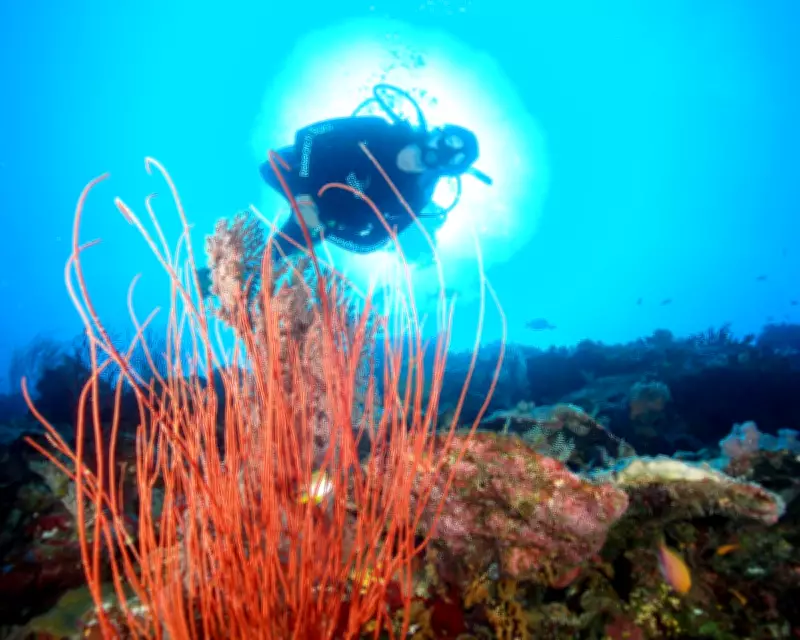
Richard Leck, head of oceans at WWF Australia, described the Coral Sea as the Serengeti of the ocean and highlighted that the 2018 downgrade was the largest reduction of a single protected area globally. He expressed optimism that this review could right the wrongs of that decision, reinforcing Australia's role in international ocean conservation efforts.
Fiona Maxwell, national oceans campaign manager at the Pew Charitable Trusts, stressed the importance of protecting diverse habitats like canyons and sea mounts against climate change impacts. Similarly, Professor Jessica Meeuwig from the University of Western Australia noted that only about 9% of marine park networks are highly protected, presenting a significant opportunity to enhance comprehensive safeguards.
The statutory review, conducted every decade, is seen as a critical step not just for meeting numerical targets but for ensuring resilient marine ecosystems. Stakeholders from fishing, tourism, and energy sectors are involved in the process, aiming for a collaborative outcome that supports both environmental health and sustainable industries.