China is embarking on an ambitious venture into the exclusive world of deep-sea tourism, with the development of its first tourist submersible designed to take explorers to depths of up to 1,000 metres. Engineers at the China Ship Scientific Research Centre in Wuxi, Jiangsu, have been diligently working on this groundbreaking project for nearly four years, with a prototype expected to be completed by the end of this year.
Technical Specifications and Design Challenges
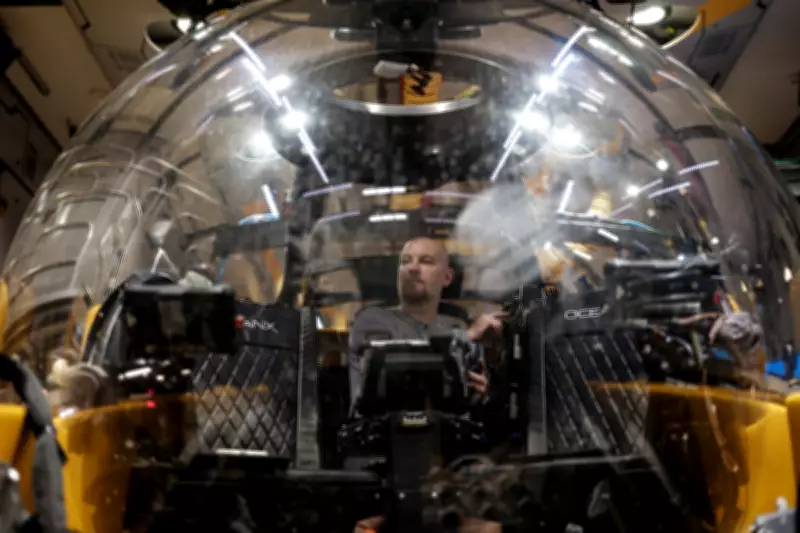
The submersible is engineered to accommodate three passengers and one crew member, offering an immersive experience through a panoramic viewport. This viewport is considered the most challenging structural element of the design, requiring advanced materials and engineering to withstand the immense pressures at such depths. The development aims to position China as a competitive player in a market currently dominated by a small number of largely Western private companies.
Context and Safety Considerations
This initiative follows the tragic 2023 implosion of OceanGate's Titan submersible, which resulted in the deaths of five individuals and sparked widespread safety concerns within the deep-sea exploration sector. The incident has prompted increased scrutiny and a renewed focus on safety protocols in submersible design and operation. China's entry into this field is seen as a strategic move to capitalise on growing interest in deep-sea tourism while addressing these critical safety issues.

The project's timeline targets a 2030 launch, with the submersible capable of reaching depths that rival those of existing commercial deep-sea vehicles. This development not only highlights China's technological advancements in marine engineering but also signals a shift in the global landscape of deep-sea exploration, potentially offering new opportunities for tourism and scientific research in previously inaccessible ocean regions.