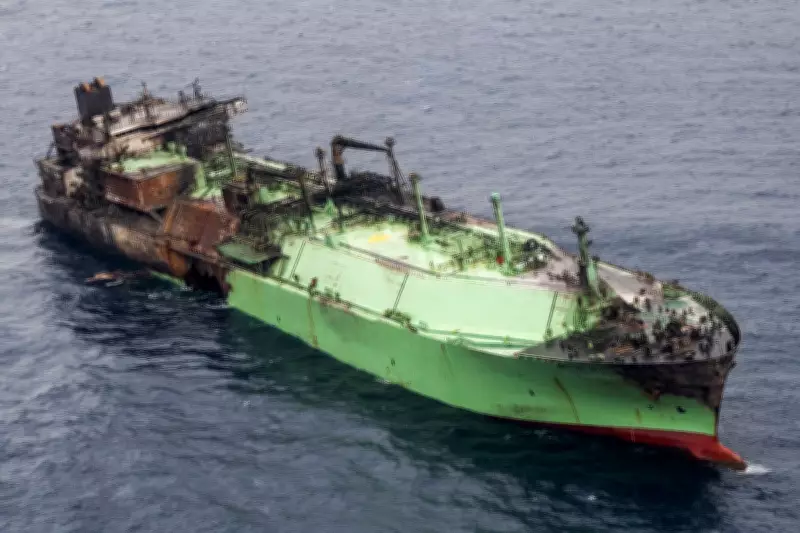
A sanctioned Russian tanker, the Arctic Metagaz, is currently adrift in the Mediterranean Sea, positioned between Malta and Italy, and is leaking approximately 700 metric tonnes of fuel and natural gas. This situation has prompted urgent warnings from European Union officials, who describe the vessel as an 'environmental bomb' that could detonate at any moment, posing a severe risk of ecological catastrophe.
EU Countries Raise Alarm Over Shadow Fleet Vessel
Nine European Union nations have formally written to the European Commission, expressing grave concerns about the Arctic Metagaz. An Italian official highlighted that the tanker is in a precarious state and could 'explode at any moment,' labeling it a 'serious' threat to marine environments. The EU has identified this tanker as part of Russia's so-called 'Shadow Fleet,' a network of vessels used to bypass international sanctions imposed after Russia's invasion of Ukraine in 2022.
Incident Details and Russian Claims
The Arctic Metagaz departed from Murmansk in February and caught fire in early March. Russian authorities have claimed that the vessel was attacked by Ukrainian naval drones launched from Libya, though these allegations remain unverified. In response, Russia's foreign ministry has stated that it is in contact with the ship's owner and foreign authorities, emphasising that coastal countries bear responsibility for resolving the crisis and preventing an environmental disaster.

Potential Impacts and Ongoing Risks
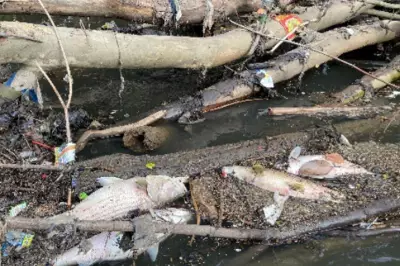
The leaking fuel and gas from the tanker threaten to cause extensive damage to marine ecosystems in the Mediterranean, including pollution of waters, harm to wildlife, and disruption to local economies reliant on fishing and tourism. Experts warn that if the vessel explodes, it could release toxic substances into the air and sea, exacerbating the environmental impact. The situation underscores the broader risks associated with the use of shadow fleets to evade sanctions, highlighting vulnerabilities in maritime security and environmental protection.
As the Arctic Metagaz remains adrift, international efforts are underway to assess and mitigate the threat, but the urgency of the situation calls for immediate action to avert what could become one of the region's worst ecological disasters.