Sydney Water's Malabar Plant Confronts Massive Fatberg and Poo Balls
Sydney Water's Malabar treatment plant is currently grappling with a significant environmental challenge, as a massive fatberg and numerous poo balls have been discovered within its infrastructure. This incident underscores the persistent issues of urban waste management in Australia's most populous city, raising concerns about the efficiency of current systems and their impact on public health and the environment.
Details of the Fatberg and Poo Balls Discovery
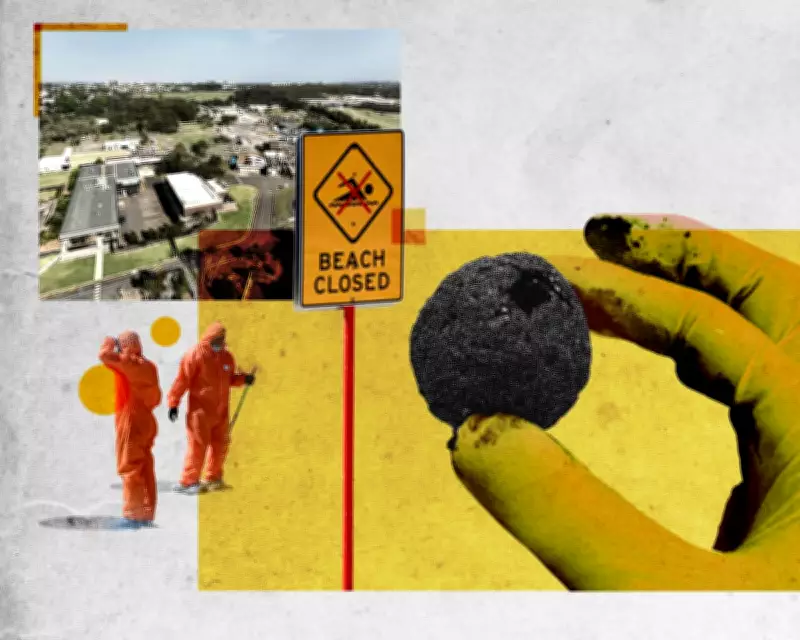
The fatberg, a large congealed mass of fats, oils, and grease mixed with non-biodegradable materials, has been found blocking key sections of the Malabar treatment plant. This obstruction is impeding the normal flow of wastewater, leading to operational delays and potential overflows. Simultaneously, poo balls—solidified spheres of human waste and other debris—have been identified in the system, complicating cleanup efforts and highlighting the diverse nature of waste entering the plant.
Experts from Sydney Water have noted that such accumulations are not uncommon in urban areas, but the scale at Malabar is particularly alarming. The plant serves a large portion of Sydney, processing millions of litres of wastewater daily, making this discovery a critical issue for the city's sanitation and environmental safety.

Environmental and Operational Impacts
The presence of the fatberg and poo balls poses several risks:
- Blockages and Overflows: These obstructions can cause sewage backups, leading to overflows that may contaminate local waterways and soil.
- Increased Maintenance Costs: Removing such masses requires specialised equipment and labour, driving up operational expenses for Sydney Water.
- Public Health Concerns: Potential leaks or overflows could expose communities to harmful pathogens and pollutants.
- Environmental Damage: Contaminated water can harm aquatic ecosystems, affecting wildlife and water quality in areas like Botany Bay.
In response, Sydney Water has initiated emergency measures to address the situation. Teams are working to break down the fatberg using high-pressure jets and manual removal techniques, while the poo balls are being extracted and disposed of safely. The utility has also issued public advisories, urging residents to avoid flushing inappropriate items down drains, such as cooking grease, wet wipes, and sanitary products.
Broader Implications for Urban Waste Management
This incident at the Malabar treatment plant highlights broader challenges in urban waste management across Australia. As cities like Sydney grow, the strain on wastewater systems increases, necessitating more robust infrastructure and public awareness campaigns. Fatbergs and similar blockages are often preventable, stemming from poor disposal habits by households and businesses.
Sydney Water is leveraging this event to promote better practices, including:
- Educational programmes on proper waste disposal.
- Investments in advanced screening and treatment technologies.
- Collaborations with local councils to enforce regulations against illegal dumping.
Looking ahead, the Malabar case serves as a stark reminder of the interconnectedness of urban living and environmental stewardship. By addressing these waste issues proactively, Sydney Water aims to enhance the resilience of its systems and protect the city's natural resources for future generations.