Scotland's Radical Barbecue Ban to Combat Wildfire Crisis
For generations, the simple pleasure of firing up a barbecue amidst Scotland's breathtaking landscapes has been a cherished tradition for families, hikers, and campers. However, this quintessential outdoor activity is now facing unprecedented restrictions under sweeping new legislation designed to tackle the nation's escalating wildfire emergency.
Immediate Ban in Cairngorms National Park
From April 1st, Scotland's first large-scale barbecue prohibition comes into force throughout the Cairngorms National Park, marking a dramatic shift in countryside access regulations. The comprehensive ban specifically targets disposable barbecues and open campfires, which authorities have identified as primary ignition sources for uncontrolled blazes.
Agriculture Minister Jim Fairlie emphasized the critical nature of these measures, stating: 'Most large outdoor fires are caused by humans, either by accident or on purpose, which also means that most wildfires are preventable. Just one heat source can cause a wildfire to ignite, and if the wind changes direction, even the smallest fire can spread uncontrollably.'

Nationwide Expansion Under Consideration
While the initial restrictions apply specifically to the Cairngorms between April and September annually, Scottish government officials have confirmed that plans are actively being developed to extend similar prohibitions across other vulnerable regions. This expansion could render barbecue use illegal in numerous wild areas throughout Scotland as early as next year.
The legislative framework for this nationwide rollout was established through the Natural Environment (Scotland) Act, passed by Holyrood in January. This groundbreaking legislation empowers local authorities to implement fire prevention byelaws tailored to their specific wildfire management strategies.
Climate Change Fuels Growing Threat
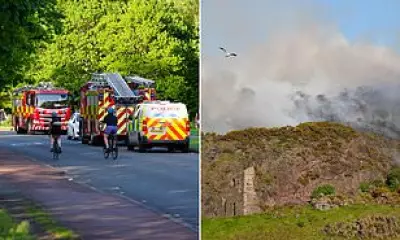
Scotland's countryside faces an increasingly severe wildfire threat as climate change produces higher temperatures and extended dry periods. The Scottish Fire and Rescue Service issued its first wildfire warning of the year on Friday, declaring a 'very high' risk across northern and northeastern regions.
Last year's devastating wildfire season provided stark evidence of the escalating crisis, with 241 separate incidents recorded—the worst in living memory. The catastrophic Carrbridge and Dava Moor blaze alone destroyed nearly 10,000 hectares, establishing it as the United Kingdom's largest recorded wildfire.
Specific Regulations and Exemptions
The Cairngorms National Park Authority has implemented precise definitions within their new byelaws. A barbecue is classified as 'an appliance or rack on which food is cooked out of doors over an open fire and shall include a disposable barbecue.' The regulations explicitly prohibit lighting or using such devices within park boundaries without lawful authority.
Important exemptions include:
- Gas barbecues, typically larger models used in domestic gardens
- Barbecuing on private property with proper safety measures
- Controlled use at licensed campsites with appropriate fire safeguards
However, the byelaws extend beyond barbecues, also banning 'lighting, having or tending a fire in the National Park, or placing, throwing or letting fall a lighted match, firework or any other thing so as to be likely to cause a fire.'
Environmental Impact and Industry Response
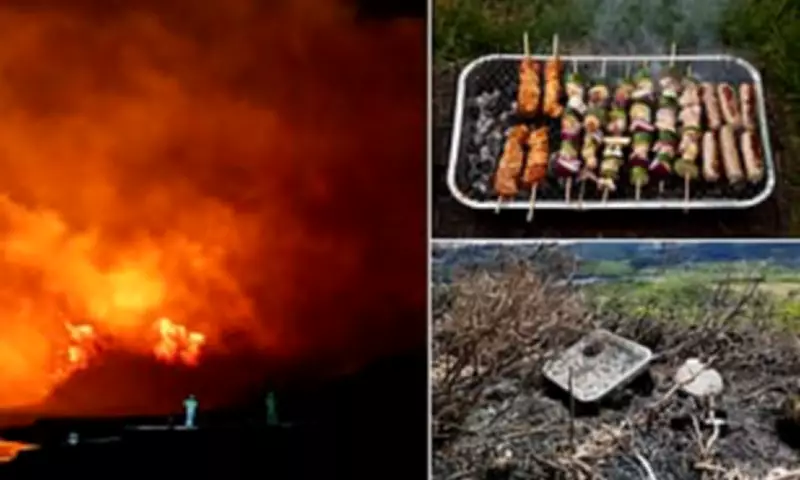
Disposable barbecues—aluminum trays containing charcoal briquettes beneath wire grills—have become particularly problematic. Approximately one million units are sold annually across the United Kingdom, generating substantial waste while contributing significantly to wildfire incidents.
In response to mounting environmental concerns, several major supermarket chains including Waitrose and Aldi have already discontinued sales of disposable barbecue products. This commercial shift reflects growing recognition of the products' dual threat as both fire hazards and environmental pollutants.

Grant Moir, Chief Executive of the Cairngorms National Park Authority, articulated the balanced approach authorities are attempting: 'The Cairngorms National Park is home to incredible landscapes, habitats, wildlife and communities. We want residents and visitors to enjoy this special place—but we also need their help to protect it for generations to come.'
Strategic Action Plan and Future Implementation
The Scottish government recently published a comprehensive Strategic Action Plan on Wildfires, noting that 2025 represented 'a significant escalation in wildfire frequency, intensity and impact.' The document outlines profound consequences including threats to public safety, emergency service strain, rural community disruption, business impacts, and lasting environmental damage.
Looking forward, the strategy proposes 'enabling the potential future use of similar measures by local authorities' beyond the Cairngorms. Subject to parliamentary approval and local authority implementation, a fixed penalty notice regime could be operational nationwide by 2027, with £500 fines serving as deterrents against illegal outdoor cooking.
While summer barbecue enthusiasts need not abandon their grilling traditions entirely—private gardens and controlled campsite settings remain permissible—Scotland's wild landscapes will soon become flame-free zones during high-risk months. This represents a fundamental reimagining of countryside access as climate realities necessitate increasingly protective measures.