Cuba's Renewable Energy Strategy in the Face of Adversity
Cuba is making a significant bet on renewable energy sources as it grapples with a trifecta of challenges: stringent US sanctions, persistent power cuts, and the escalating impacts of the climate crisis. This Caribbean nation, long dependent on fossil fuel imports, is now pivoting towards solar, wind, and other green technologies to enhance its energy independence and resilience.
The Driving Forces Behind Cuba's Green Transition
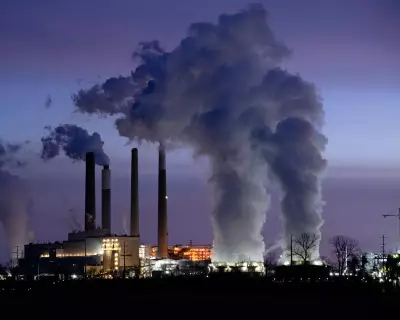
US sanctions have severely restricted Cuba's access to international markets, making it difficult and costly to import oil and gas. This economic pressure has forced the government to seek alternative energy solutions to avoid crippling shortages. Additionally, frequent power cuts have plagued the island, disrupting daily life and hindering economic growth, further motivating the shift to more reliable renewable sources.
The climate crisis poses another critical threat, with Cuba facing increased risks from hurricanes, rising sea levels, and extreme weather events. By investing in renewables, Cuba aims to reduce its carbon footprint and build a more sustainable infrastructure capable of withstanding environmental shocks.

Key Renewable Projects and Initiatives
Cuba has launched several ambitious projects to boost its renewable energy capacity:
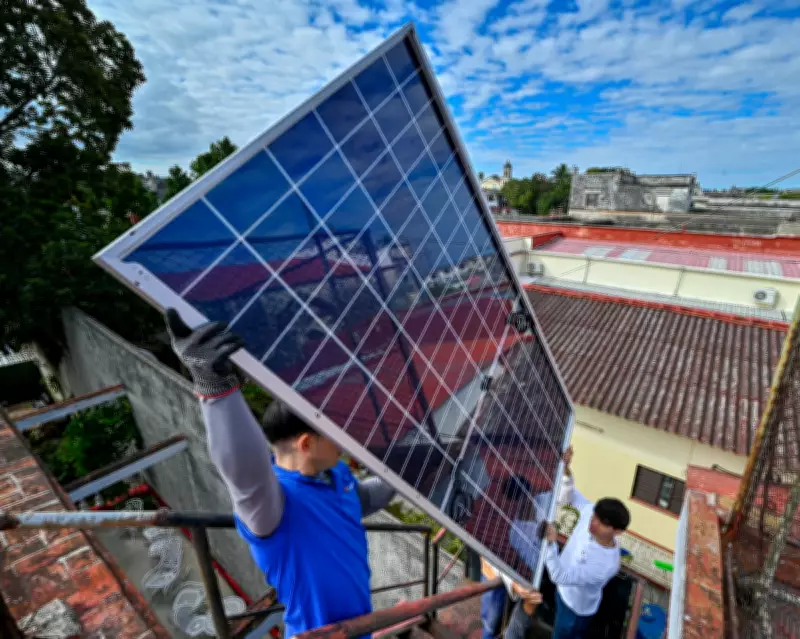
- Solar Power Expansion: The installation of large-scale solar parks across the country, with plans to generate a significant portion of electricity from solar by 2030.
- Wind Energy Development: Harnessing coastal winds through new wind farms, particularly in regions with high wind potential.
- Biomass and Hydropower: Utilizing agricultural waste for biomass energy and upgrading existing hydropower facilities to increase efficiency.
These efforts are part of a broader national strategy to diversify the energy mix and reduce reliance on imported fuels, which currently account for over 90% of Cuba's energy consumption.
Challenges and Future Prospects
Despite the push for renewables, Cuba faces obstacles such as limited funding, technological barriers, and the need for international cooperation. The US embargo complicates access to advanced equipment and foreign investment, slowing progress. However, the government remains committed, viewing renewable energy as essential for long-term stability and development.
Experts suggest that success in this transition could serve as a model for other developing nations facing similar constraints. By betting on renewables, Cuba not only addresses immediate energy needs but also contributes to global climate goals, showcasing resilience in the face of adversity.