Golden Eagles Face 'Unacceptable Risk' from Scottish Wind Farm Plans
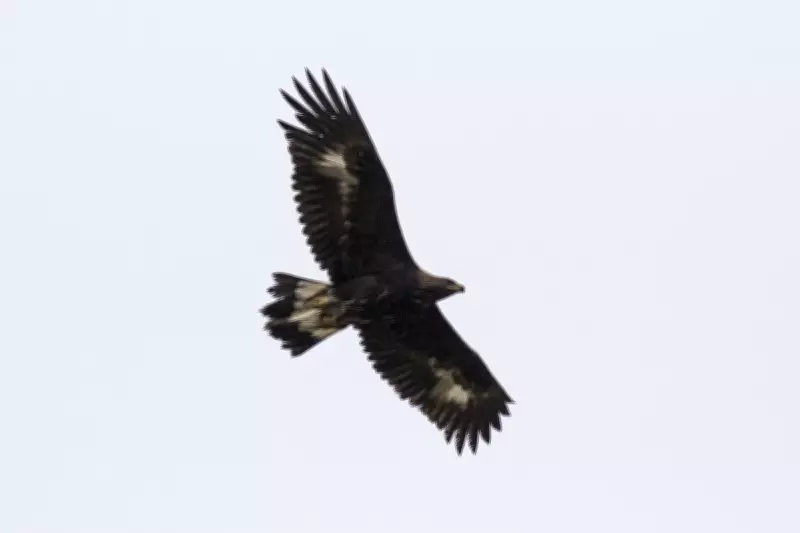
The charity Restoring Upland Nature (RUN) has issued a stark warning that a proposed wind farm in the Scottish Borders presents an "unacceptable risk" to the region's fragile golden eagle population. The organisation is urgently calling on Scottish Borders Council to reject plans for the Scawd Law wind farm near Walkerburn, citing data that suggests collision dangers are significantly underestimated.
Developer Plans and Conservation Concerns
Developer Fred Olsen Renewables seeks permission to construct eight turbines reaching up to 180 metres in height at the site, which would have a generation capacity of 60MW. However, RUN, which operates the South of Scotland Golden Eagle Project, argues that the location in the Moorfoot Hills is fundamentally unsuitable.
Dr Cat Barlow, Chief Executive Officer of RUN, stated: "While we strongly support the role of well-sited renewable energy in tackling the climate crisis and safeguarding nature in the long-term, our detailed analysis evidences that Scawd Law is the wrong location for a wind farm development."

Data Discrepancies and Heightened Risks
The charity's assessment, based on state-of-the-art satellite monitoring and extensive field observations, indicates that the risk of eagle collisions at Scawd Law is at least six times greater than the figures presented by the developer. Dr Barlow emphasised that some data relied upon by Fred Olsen Renewables is outdated and substantially underestimates golden eagle activity in the area.
She further explained: "This risk will increase further as fledglings enter the landscape. Indeed, the likelihood of an eagle being killed at this site alone exceeds the collision risk posed by all existing wind farms across the south of Scotland combined."
Community Opposition and Historical Context
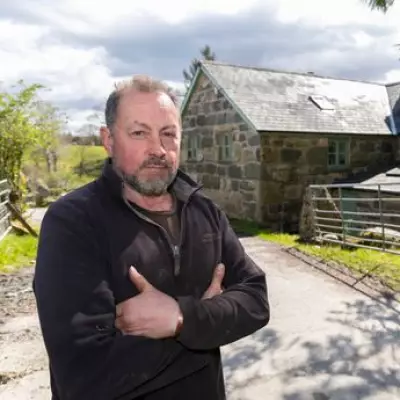
Local community representatives have echoed these conservation concerns. Mike Wilcox of Walkerburn Community Council voiced strong opposition, noting: "This is the last chance to save our majestic golden eagles. There has been a massive, concerted effort over many years by conservation experts and volunteers from all over Scotland to reintroduce this iconic species to the south of Scotland."
Wilcox highlighted that the local community has been excited to see these incredible birds return to their skies after an absence of perhaps 100 years. He warned that proceeding with Scawd Law could potentially wipe out all the progress made in the past decade.
Developer's Response and Planning Timeline
A spokesman for Fred Olsen Renewables responded: "As a dedicated owner and operator of wind farms in the south of Scotland of 30 years, we take ornithological risks very seriously when determining the locations of our renewable energy sites. Our comprehensive assessments, complemented by expert analysis from external specialists, demonstrate that all predicted impacts and associated risks have been carefully evaluated and fall within acceptable parameters."
The spokesman added that while interpretations of data may vary, their in-depth understanding of the site, environmental conditions, and proven methodologies gives them confidence in the robustness of their approach. The company remains committed to maintaining open, constructive dialogue with all stakeholders.
Precedent and Decision Date
The council's planning committee is scheduled to review the application on March 2. This decision comes against the backdrop of a 2024 investigation which concluded that a golden eagle called Sparky had died after a wind turbine strike in Dumfries and Galloway. That death was the first of its kind recorded by the South of Scotland Golden Eagle Project, underscoring the tangible risks to these protected birds.
The debate highlights the ongoing tension between renewable energy expansion and wildlife conservation, with the fate of Scotland's golden eagles hanging in the balance as planning authorities weigh these competing priorities.