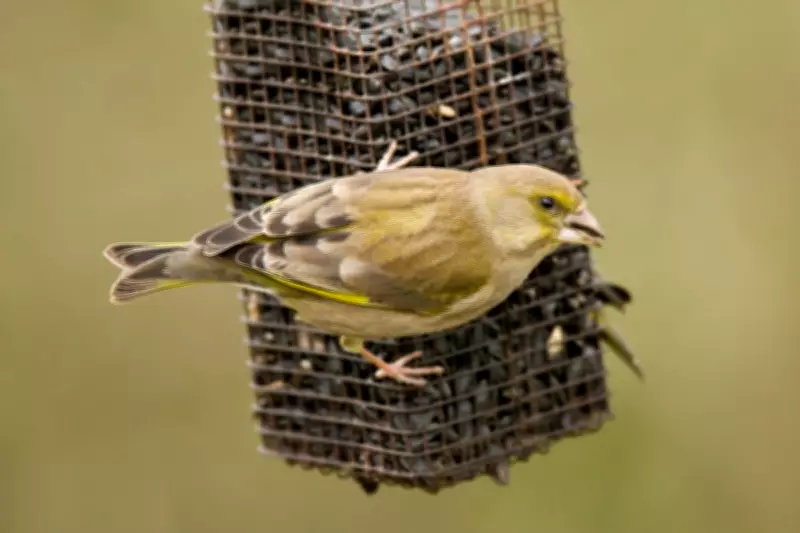
RSPB Issues Critical Warning Over Bird Feeder Practices Amid Population Declines
The Royal Society for the Protection of Birds (RSPB) has issued an urgent alert concerning the health of the United Kingdom's starling and greenfinch populations. New data from the charity's long-running Big Garden Birdwatch reveals significant and worrying long-term declines for these iconic songbird species.
Alarming Population Statistics Revealed
According to the latest survey results, starling numbers have reached record lows for the second consecutive year, experiencing an additional 3.0% decline in 2026. This continues a devastating trend that has seen their population plummet by 85.1% since the citizen science scheme began in 1979. While greenfinches showed a modest 2.3% increase in average counts this year, their overall numbers remain two-thirds lower than those recorded nearly five decades ago.
Beccy Speight, the RSPB's chief executive, emphasized the gravity of the situation: "We're not asking people to stop feeding birds, just to feed in a way that protects birds' long-term health. Feeding birds is something millions of us love and value, but the science shows us that birds such as greenfinches have been affected by the spread of disease at feeders."

The Hidden Dangers of Bird Feeders
RSPB scientists have identified bird feeders as potential hotspots for disease transmission, particularly during the warmer months. Greenfinches have been especially devastated by trichomonosis, a disease that spreads more easily when birds congregate around feeders in summer and autumn. Both starling and greenfinch populations are now officially "red-listed" due to conservation concerns.
"By making small changes together, we can ensure garden feeding continues to be a positive force for nature," Ms. Speight added, highlighting the importance of collective action.
Practical Recommendations for Bird Lovers
The charity has issued specific guidance for households wishing to support bird populations responsibly:
- Seasonal Feeding Adjustments: Modify feeding practices during higher-risk summer and autumn months, potentially pausing seeds and peanuts to prevent overcrowding
- Safe Year-Round Options: Small amounts of mealworms, fat balls, or suet can be provided throughout the year without significant risk
- Regular Maintenance: Clean or move feeders weekly and change water daily to minimize disease transmission
- Feeder Design Considerations: Retire flat-surfaced feeders and bird tables, as research indicates higher disease spread on these surfaces
Big Garden Birdwatch 2026 Results
This year's survey attracted more than 650,000 participants who spent an hour counting birds in gardens or local green spaces during the last weekend of January. The house sparrow maintained its top position, followed by the blue tit in second place. Starlings moved from fourth to third position, though this shift was largely attributed to fewer reported woodpigeon sightings rather than starling population recovery.
Before the year 2000, starlings regularly topped the Big Garden Birdwatch rankings, but their dramatic decline has now placed them on the conservation red list. RSPB scientists note that while evidence remains limited regarding the exact causes of their decline, reduced chick survival rates during their first winter may be contributing factors.
Conservation Context and Migratory Patterns
The charismatic starling remains widespread across the UK, with numbers swelling during winter when additional birds arrive from northern Europe. These birds are famous for their spectacular aerial displays known as "murmurations." Meanwhile, other UK-wide surveys indicate that greenfinch populations have lost more than two million birds since the mid-1990s.
Despite concerning declines for some species, the 2026 survey did reveal positive news for certain migratory birds. Redwing and fieldfare numbers surged significantly, with average counts increasing by 307% and 70% respectively, potentially reflecting cold and unsettled weather patterns across Europe that encouraged migration.

The RSPB emphasizes that these survey results provide crucial data for conservationists monitoring the health of the UK's bird populations, enabling targeted interventions to protect vulnerable species for future generations.