Sausage Casing Manufacturer Fined for Major Water Pollution Incident
A prominent sausage casing manufacturer has been handed a substantial fine after an investigation revealed the company dumped 1.8 million litres of contaminated wastewater into a cherished Scottish beauty spot. The incident, which occurred in July 2021, caused severe environmental damage and sparked widespread public alarm.
Discovery and Public Reports
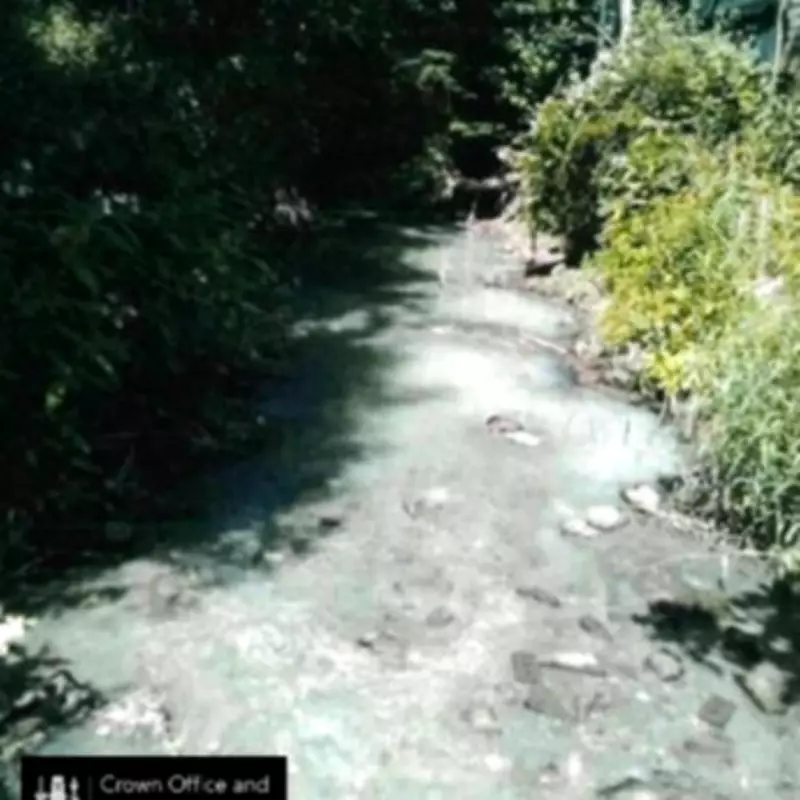
Local walkers in North Lanarkshire, Scotland, first raised the alarm after detecting a "horrible" smell emanating from Bothlin Burn. The stream exhibited a "milky, opaque appearance", prompting multiple calls to Scottish Water and the Scottish Environment Protection Agency (Sepa). These reports triggered an official investigation into the source of the pollution.
Cause of the Contamination
The pollution originated from Devro (Scotland) Limited, a Moodiesburn-based company specializing in sausage casings. A fat blockage in the waste drainage system caused contents to back up, eventually reaching a "dual manhole" drainage structure. From there, effluent water spilled into a surface pipe designed for storm water, discharging directly into Bothlin Burn.

The contaminated water contained high levels of fat, chemicals, and notably ammonia concentrations up to 350 times greater than environmental quality standards. Elevated levels of biochemical oxygen demand (BOD) and chemical oxygen demand (COD) were also recorded, indicating severe pollution.
Environmental Impact and Legal Proceedings
Sepa's ecology surveys described the effects on aquatic life as "devastating". Numerous dead fish and invertebrates were found along Bothlin Burn and Luggie Water, highlighting the short-term gross pollution caused by the discharge.
Devro pleaded guilty to a breach of water environment legislation on December 2. At Airdrie Sheriff Court, the company was fined £48,000 and ordered to pay a £3,600 victim surcharge. This marks Devro's second conviction for polluting Bothlin Burn, underscoring recurring issues.
Official Statements and Responses
Iain Batho, leading environmental matters for the Crown Office and Procurator Fiscal Service (COPFS), stated: "This incident was both foreseeable and preventable. Whilst Devro did take certain measures to prevent such an incident occurring, these measures were not sufficient." He emphasized that COPFS takes environmental crime seriously and will prosecute where evidence and public interest dictate.
Shona McConnell, head of environmental performance geographic at Sepa, commented: "This was a serious and entirely avoidable pollution incident that caused significant harm to a local watercourse." She urged businesses to review drainage systems, ensure proper maintenance, and implement controls to prevent similar failures.
A spokesperson for Devro (Scotland) Limited expressed regret: "We acknowledge and sincerely regret the incident at Bothlin Burn. We take this matter very seriously and have worked closely with the relevant authorities to implement prompt and appropriate measures." The company has since removed the dual manhole drainage system and committed to environmental protection improvements.
Broader Implications and Lessons
This case highlights critical issues in industrial waste management and environmental regulation. The use of dual manhole systems, without adequate maintenance and understanding, poses significant risks to watercourses. Sepa's call for businesses to take responsibility underscores the need for proactive measures in safeguarding Scotland's natural habitats.
The incident serves as a stark reminder of the consequences of environmental negligence, with fines and public scrutiny acting as deterrents. Continuous improvement in sustainability practices remains essential for companies operating in sensitive ecological areas.