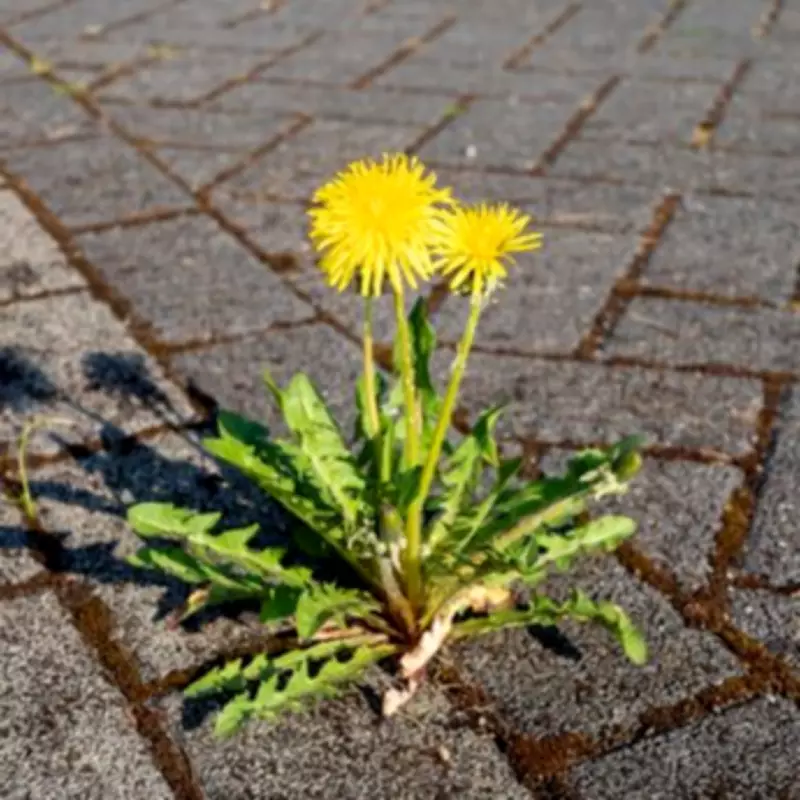
Weeds present a persistent challenge for gardeners, particularly as they emerge between patio slabs and in gravelled areas during the spring season. The increased sunlight and warmer temperatures create ideal conditions for unwanted plants to thrive, often with deep roots that make removal difficult and regrowth common within weeks.
Alan Titchmarsh's Expert Advice for Weed Control
Renowned gardening authority Alan Titchmarsh has revealed his natural approach to combating weeds, emphasising simple tools over chemical solutions. In a recent video on his Gardening with Alan Titchmarsh YouTube channel, he explained practical methods for different garden surfaces.
The Patio Knife Solution for Paved Areas
For patios and terraces with stone paving, Titchmarsh recommends using a specialised patio knife. This L-shaped tool features a thin blade designed specifically for accessing tight gaps between slabs where weeds commonly establish themselves.

"When it comes to patios and terraces made of stones, where the pointing is, if you do find soil between the paving slabs and weeds growing there, a patio knife is really quite useful," Titchmarsh advised. "If you just skim along those channels where the pointing should be and get rid of the weeds."
The patio knife effectively removes weeds, moss, and grass from these confined spaces without requiring gardeners to struggle with their fingers in narrow gaps. This tool prevents damage to stonework that might occur with less appropriate implements.
Dutch Hoe Technique for Gravelled Paths
For weed problems in gravelled areas, Titchmarsh suggests a different natural approach using a Dutch hoe combined with sunny weather conditions. The method focuses on separating weeds from their roots and allowing sunlight to complete the elimination process.
"What you are trying to do with your Dutch hoe is separate the weed from its roots and that way it will cook once it's exposed to sunshine," Titchmarsh explained. Sunlight alone doesn't kill weeds, but exposing the root system while the sun is shining effectively dehydrates the plants.
The technique involves skimming the hoe through weeds at their base rather than digging, then leaving the severed plants with their roots exposed. Gardeners should keep gravel away from the exposed root systems to maximise sun exposure. "The more of the weed root you can expose to the drying rays of the sun, the quicker they will die," Titchmarsh emphasised.
Tool Selection for Different Surfaces
Titchmarsh stresses the importance of using the right tool for each surface type. While patio knives work well for paved areas, Dutch hoes should be reserved for gravelled paths, as using hoes on paving slabs can potentially chip the stonework. This distinction ensures both effective weed removal and protection of garden surfaces.
These natural methods offer gardeners sustainable alternatives to chemical weed killers, particularly valuable during spring when weed growth accelerates. By combining appropriate tools with understanding of how sunlight affects exposed root systems, gardeners can maintain weed-free outdoor spaces throughout the growing season.