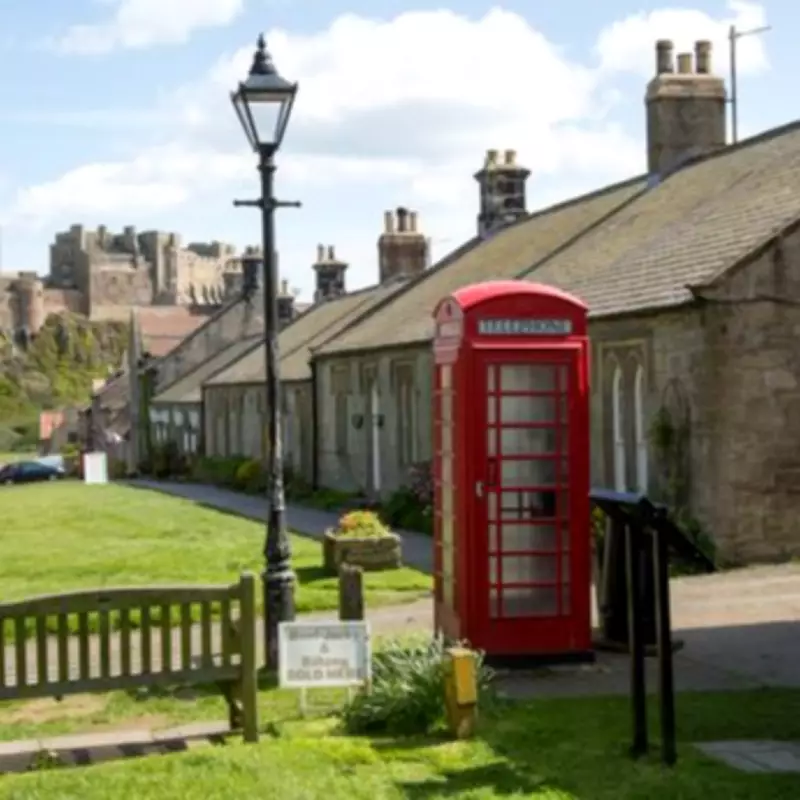
When an American woman peered inside a classic British phone box recently, she encountered a completely unexpected sight that left her utterly astonished. The iconic red structures, once ubiquitous across the United Kingdom for making telephone calls, have largely fallen into disuse due to the universal adoption of mobile phones. However, many have found new life serving entirely different community purposes.
The Iconic Red Phone Box Transformation
Originally painted in their distinctive bright red hue to ensure maximum visibility even during Britain's famously gloomy weather conditions, these telephone boxes have evolved into cultural symbols recognised worldwide. From a peak of approximately one hundred thousand units during the 1990s, only between three thousand and eight thousand traditional red phone boxes remain standing across Britain today. While their primary function has become largely obsolete, creative communities have repurposed these structures in innovative ways that preserve their heritage while serving contemporary needs.
An American's Astonishing Discovery
The woman, originally from America but now residing in Yorkshire and known on TikTok as @yorkshireyank, recently shared her surprising experience with one particular phone box. Expecting to find the familiar telephone apparatus, she instead discovered the interior completely filled with books available for anyone to borrow or contribute. This unexpected find represents a growing trend across the United Kingdom where disused phone boxes have been transformed into miniature community libraries.

The Little Free Library Movement
These small community book exchanges, commonly known as "Little Free Libraries," have gained significant popularity throughout Britain in recent years. The concept originated in the United States but has been enthusiastically adopted across British towns, villages, and cities. Typically housed in weatherproof containers that sometimes resemble miniature houses or, increasingly, repurposed phone boxes, these libraries operate on a simple principle: "Take a book, leave a book."
Placed in accessible public locations including parks, outside community centres, near schools, and in residential areas, these libraries aim to promote literacy, foster community connections, and provide free access to reading materials for everyone regardless of financial means. While some participate in the official Little Free Library organisation and appear on their global registry, many operate as independent community initiatives established by individuals, schools, or local groups.
How Community Book Exchanges Function
The system relies entirely on community goodwill and honesty. Visitors can browse the available selection, borrow books without any membership requirements or return deadlines, and ideally contribute another book in exchange. Many libraries develop regular users who help maintain the collection's variety and condition. Some expand beyond books to include magazines, puzzles, or even seeds for gardening enthusiasts.
Establishing a little library involves creating or acquiring a suitable weatherproof container, selecting an appropriate location (with necessary permissions if on public land), stocking it with an initial collection of books, and providing clear instructions about how the exchange operates. Maintenance involves periodic checks to ensure the structure remains weatherproof, the collection stays varied and appropriate, and the space remains tidy and inviting.
Beyond Books: Community Building
These transformed phone boxes represent more than just book exchanges—they serve as focal points for community interaction and shared ownership. Particularly valuable in areas with limited access to traditional library services or for individuals who cannot regularly purchase new books, these initiatives create tangible connections between neighbours while promoting literacy and lifelong learning. The American's discovery in Yorkshire highlights how Britain's iconic red phone boxes continue to serve their communities, albeit in completely reinvented ways that honour their heritage while addressing contemporary needs.