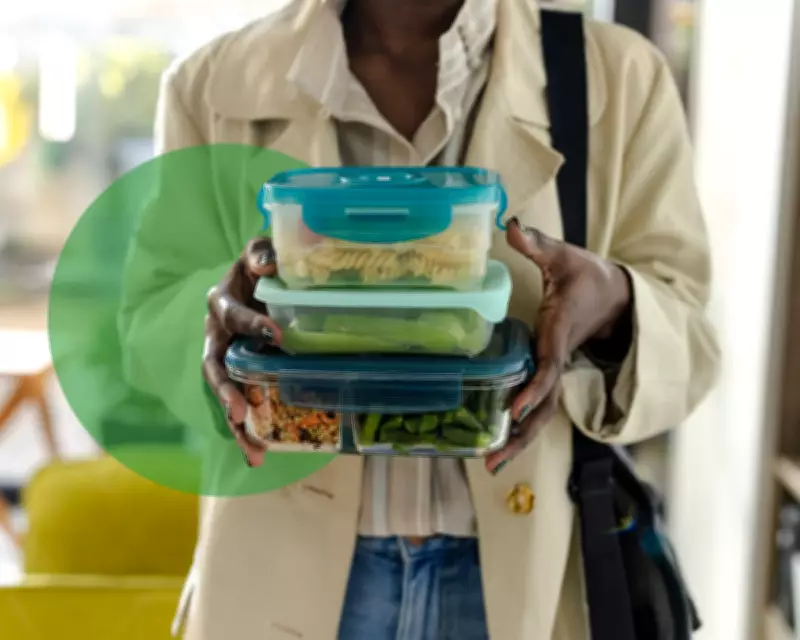
BYO Containers: Australia's Legal Green Choice for Takeaway Food
In Australia, there are no laws preventing food retailers from allowing customers to bring their own containers for takeaway purchases. This legal freedom offers a significant opportunity for individuals to reduce plastic waste and embrace sustainable living practices.
The Plastic Problem in Australia
Government data reveals that Australians generate approximately 3.2 million tonnes of plastic waste annually, with the majority ending up in landfill. Packaging accounts for about 39% of this waste, including 27,800 tonnes of single-use takeaway containers and 25,500 tonnes of plastic bags each year. This staggering amount equals roughly the weight of the Sydney Harbour Bridge.
While some states like South Australia and Western Australia have implemented bans on plastic food and drink containers and cutlery, there are no nationwide regulations prohibiting customers from bringing their own vessels to food retailers. This means individuals and workplaces can freely choose to use reusable food containers and crockery for takeaway meals, catering events, and daily use.

Historical Context and Modern Challenges
Before the widespread availability of cheap, single-use packaging, Australian families reportedly used to bring saucepans to their local Chinese restaurants for Friday night takeout. Until the early 1980s, fish and chips were commonly wrapped in old newspapers until concerns about ink contamination led to this practice being outlawed.
Today, reusable coffee cups have become commonplace due to Australia's strong coffee culture, and most households have Tupperware containers for school lunches. However, bringing personal containers to salad bars or deli counters still feels unfamiliar to many consumers.
Expert Advice for Getting Started
Bianca Cotton, founder of the volunteer-run website BYO Containers, noticed confusion among people in zero waste Facebook groups about their options. "A big part of what I was seeing was people who weren't sure what they could do or what was fair to ask," she explains. "I wanted to provide some knowledge and give people the confidence to give it a go." After eight years and mapping 2,000 businesses willing to accept reusable containers, Cotton offers practical guidance.
Practical Tips for BYO Success
Start with What You Have: There's no need to purchase special equipment immediately. "If you've got Tupperware in your cupboard, use that," Cotton advises. Netted bags for fresh produce and old jars can also be useful. However, she cautions against using single-use plastic containers from meal services, as they degrade easily and may leach harmful chemicals.
Communication is Key: Asking for takeaway in a reusable container might feel awkward initially, but Cotton emphasizes the importance of explaining your intentions before placing an order. While cafes are accustomed to reusable coffee cups, other establishments might be less familiar with the practice for items like pasta, rice dishes, or salads.
Choose Easy Foods First: Sushi rolls are particularly straightforward, as most vendors are happy to place them in customer-provided containers. Bakery items, sandwiches, and burgers also work well when requested in advance. At supermarkets, begin by bringing mesh bags for produce, which many stores now sell.
Workplace Solutions for Reusable Packaging
Returnr, a reusable container scheme founded in 2018, offers workplace kits with shared pools of various receptacles. Employees can use coffee cups, bento boxes, or bowls during work hours, then place them in dishwashers for others to reuse. Design director Brett Capron notes that stainless steel products, which constitute most of Returnr's offerings, can withstand thousands of uses and are 100% recyclable.
"A stainless steel product will last for thousands and thousands of uses," Capron states. "It's an amazing material that just bounces back time after time after time." He believes such sustainable options can make workplaces more appealing as employers seek to attract staff back to offices.

Overcoming Common Concerns
Food retailers' primary concern with BYO containers is typically cross-contamination, so ensuring containers are sanitary is crucial. Cotton stresses that acceptance remains at each venue's discretion. If refused, she suggests accepting the decision gracefully or politely asking to speak with a manager about the legal possibilities for future visits.
For establishments like butchers, fishmongers, and delis that might be less accustomed to BYO containers, Cotton recommends waiting during busy periods so staff can consider requests without pressure. "You don't want it to become a rushed, clumsy encounter," she advises.
With systems and container exchanges making the transition easier, Australians have both the legal right and practical means to significantly reduce plastic waste through reusable packaging choices.