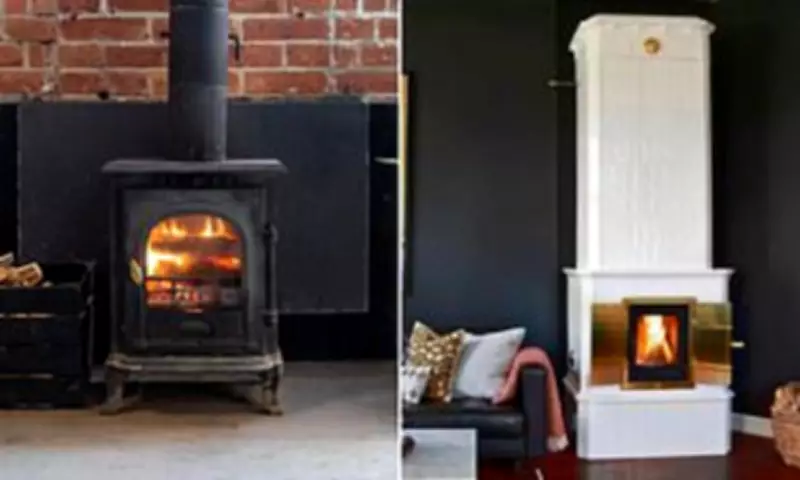
The Rise of Ceramic Stoves as Wood Burners Face Regulatory Heat
For years, wood burners have been a coveted status symbol in middle-class interiors, ranking alongside the Aga and KitchenAid as must-have items. However, this love affair may be cooling due to increasingly stringent environmental laws. Recent proposals include cigarette-style health warnings on new wood burners, highlighting their impact on air pollution, which has contributed to a sales slump. In response, a more eco-friendly alternative is capturing attention: the ceramic stove.
A Centuries-Old Solution with Modern Appeal
Despite its newfound popularity, the ceramic stove is not a recent innovation. Its origins trace back to 13th century Europe, making it a time-tested heating method. Unlike traditional wood burners, ceramic stoves operate by burning dry wood at very high temperatures and rapidly, which heats the external surface. This design allows for slow, radiant heat release throughout a room over an extended period, offering efficient warmth with just one burn per day.
Environmental and Health Advantages

Ceramic stoves are considered much more eco-friendly than their traditional counterparts, which face ever-tightening regulations from the Department for Environment, Food and Rural Affairs (DEFRA). With low emissions, these stoves burn soot and ash almost completely before they reach the chimney, reducing air pollution. This efficiency aligns with government efforts to combat health issues like asthma and lung cancer linked to wood burner emissions.
Cost and Maintenance Considerations
In terms of pricing, ceramic stoves retail from around £5,000, with top models reaching up to £14,000. Installation typically adds an extra £1,000, similar to traditional wood burners. Maintenance is required but is less intensive; professional chimney sweeping is needed less frequently due to reduced soot buildup. For homeowners looking to future-proof against DEFRA's increasing restrictions, ceramic stoves present a safer and more sustainable investment.
Government Regulations and Public Health Concerns
In January, UK Government plans were announced that could mandate cigarette-style health warnings on new wood burners, outlining the harms of air pollution. Proposals include labels on stoves and firewood, warning of risks such as asthma and lung cancer. Ministers have also proposed cutting smoke emission limits by 80%, to one gram per hour, though this would only apply to new models, many of which already meet stricter standards.
Emma Hardy, the air quality minister, emphasized the health impacts, stating: 'Dirty air robs people of their health and costs our NHS millions each year to treat lung conditions and asthma. We are determined to clean up our air. By limiting emission levels and introducing new labels as outlined in our consultation, families will be able to make better, healthier choices when heating their homes.'
However, these tighter restrictions are projected to reduce toxic emissions from wood burning by only 10% over the next decade, leading campaigners to argue that the measures do not go far enough. A suggested warning label reads: 'Please be aware that this appliance emits air pollution into and around your home which can harm your health. Burning in the home leads to air pollution which has a negative impact on the health of you and your family.'
Interior Design and Aesthetic Appeal
Beyond functionality, interior designers are embracing ceramic stoves for their aesthetic versatility. The ceramic element can be customized with brightly coloured tiles, incorporating modern or traditional designs to suit client preferences. This makes them not only a practical heating solution but also a stylish statement piece for contemporary homes.
As environmental awareness grows and regulations tighten, the ceramic stove is poised to become a preferred choice for those seeking warmth without guilt, blending historical efficiency with modern design and eco-conscious benefits.